
Sports injuries, whether acute or chronic, can significantly disrupt daily life, impacting not just athletic performance but also basic comfort and mobility. The frustration of being sidelined, coupled with persistent pain, often leads individuals to seek specialized care. Understanding the distinct approach of a sports injury clinic, and how it differs from general medical care, is crucial for effective recovery.
When an injury occurs, the immediate concern is often pain relief and a quick return to activity. However, many sports injuries stem from underlying biomechanical issues or repetitive stress, not just a single traumatic event. A dedicated Sports injury clinic focuses on diagnosing these root causes, offering a comprehensive path to healing that extends beyond merely treating symptoms. This specialized care aims to restore function, prevent recurrence, and optimize performance, ensuring athletes and active individuals can maintain their lifestyle without relying solely on medication or invasive procedures.
For those in the Lombard, IL area seeking such specialized care, True Health Chiropractic and Acupuncture offers an evidence-based approach to sports injury recovery. Their focus is on identifying and addressing the underlying factors contributing to an injury, rather than just masking the pain. This method is designed to help individuals heal quickly and return to their active lives, focusing on natural solutions that restore strength, mobility, and control.
The Nuance of Sports Injuries: Why a Specialized Approach Matters
Unlike general injuries, sports injuries often involve specific movement patterns, muscle imbalances, and joint stresses inherent to athletic activity. A general practitioner might address the immediate pain, but a sports injury clinic delves deeper into the biomechanics of the injury. This involves understanding how the body moves during specific activities, identifying compensations, and pinpointing areas lacking stability.
Many sports injuries don’t manifest suddenly but rather develop over time due to poor movement mechanics. Pain is often the last symptom to appear, indicating a problem that has been building for a while. A specialized clinic aims to uncover these subtle, progressive issues before they lead to more severe, chronic conditions. This proactive and root-cause-focused approach distinguishes sports injury care from more generalized medical interventions.
Your Initial Steps: Diagnosis and Personalized Planning
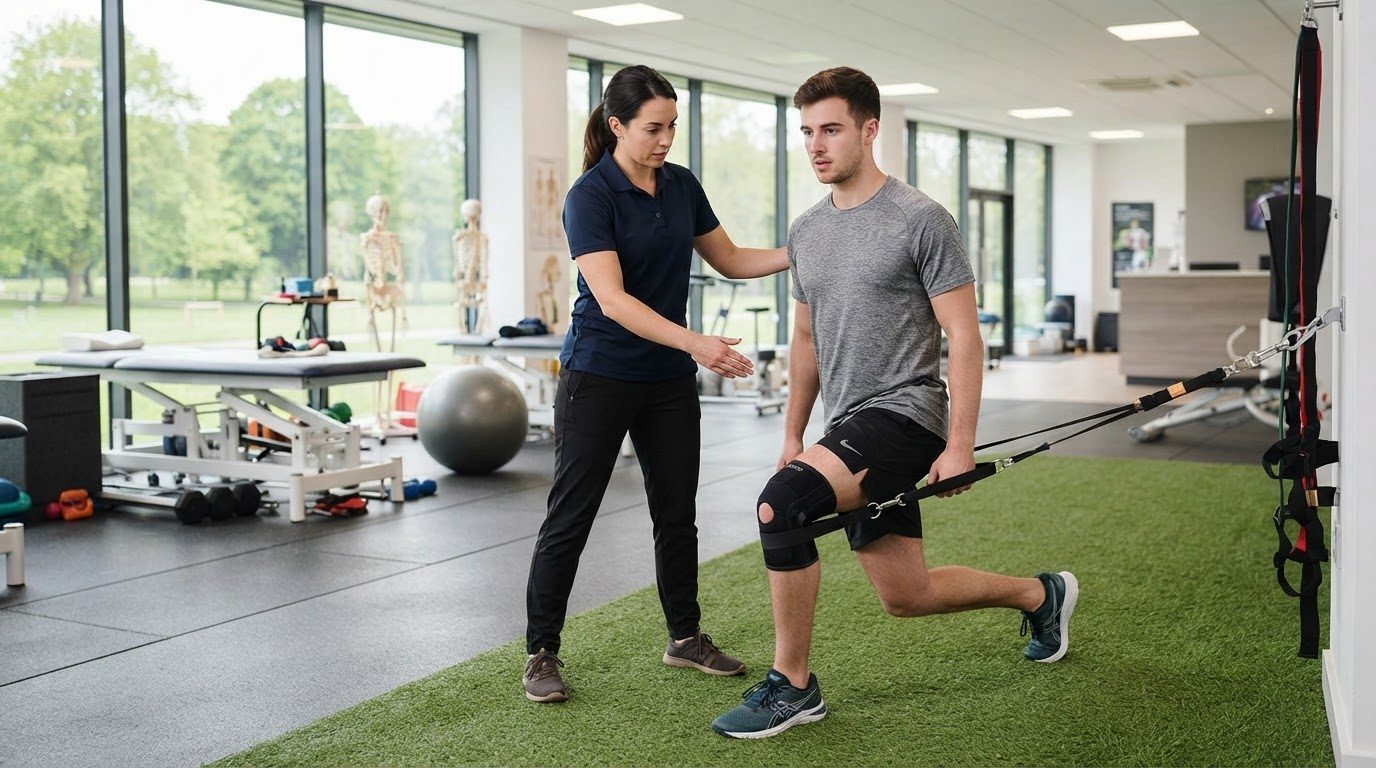
The first visit to a sports injury clinic is critical for establishing a clear understanding of your condition. This involves a thorough assessment that goes beyond surface-level symptoms. Expect a detailed discussion about your injury history, activity levels, and how the pain impacts your daily life and athletic pursuits. Movement testing is a cornerstone of this initial evaluation, allowing practitioners to observe your body in action and identify specific dysfunctions.
This diagnostic phase is designed to provide clarity. Before any treatment begins, you should have a clear explanation of what is happening in your body and what the proposed steps for recovery will be. This personalized plan is not a one-size-fits-all solution but is tailored to your specific injury, body mechanics, and lifestyle goals. The aim is to restore strength, mobility, and control, reducing the likelihood of the injury recurring.
Common Conditions Addressed by Sports Injury Clinics
Sports injury clinics are equipped to handle a wide array of conditions, from acute sprains and strains to chronic overuse injuries. The expertise within these clinics allows for targeted treatment plans for various body areas and injury types.
Common conditions include:
- Rotator Cuff Injuries: Affecting the shoulder, these can range from mild strains to significant tears, impacting arm movement and strength.
- Runner’s Knee (Patellofemoral Pain Syndrome): Characterized by pain around the kneecap, often exacerbated by running, jumping, or climbing stairs.
- Tennis Elbow (Lateral Epicondylitis): Pain on the outside of the elbow, frequently seen in athletes involved in racquet sports or activities requiring repetitive gripping.
- Ankle Sprains: Ligament injuries in the ankle, typically caused by twisting or rolling the foot.
- Shin Splints (Medial Tibial Stress Syndrome): Pain along the shin bone, common in runners and those undergoing increased physical activity.
- IT Band Syndrome (Iliotibial Band Syndrome): Pain on the outside of the knee or hip, often due to friction of the IT band over the bone.
- Plantar Fasciitis: Heel pain caused by inflammation of the plantar fascia, a thick band of tissue on the bottom of the foot.
- Low Back Pain: A prevalent issue among athletes, often linked to core weakness, poor posture, or repetitive stress.
- Neck Tension: Can result from impact, poor form during exercise, or prolonged static positions.
- Shoulder Impingement: Pain caused by the compression of tendons or bursa in the shoulder.
- Hip Flexor Strains: Injuries to the muscles at the front of the hip, common in sports requiring explosive leg movements.
- Hamstring Pulls: Tears in the muscles at the back of the thigh, often occurring during sprinting or sudden acceleration.
Addressing these conditions requires a deep understanding of the specific demands placed on the body during athletic performance, allowing for recovery strategies that support a return to sport.
Beyond the Injury: Who Benefits from Specialized Care?
While “sports injury clinic” might conjure images of professional athletes, the reality is that anyone leading an active lifestyle can benefit from this specialized care. This includes:
- Runners: Dealing with issues like shin splints, runner’s knee, or plantar fasciitis.
- Lifters: Managing back pain, shoulder impingement, or muscle strains from strength training.
- Golfers: Addressing conditions like golfer’s elbow, back pain, or hip mobility issues.
- Pickleball Players: Experiencing joint pain, sprains, or strains due to the sport’s quick movements.
- Weekend Warriors: Individuals who engage in recreational sports or intense workouts on a less frequent basis, often susceptible to overuse injuries or acute strains.
- Busy Parents: Those striving to stay fit while juggling family responsibilities, who need their bodies to keep up with their demanding lifestyles.
The common thread among these individuals is a desire to remain active and healthy, free from the limitations imposed by pain or injury. A sports injury clinic provides the resources and expertise to help these diverse groups achieve their health and performance goals.
The Path Forward: Moving Beyond Quick Fixes
Many individuals experiencing persistent pain hope it will simply fade away. However, without addressing the underlying causes, injuries often return or worsen. Relying on quick fixes, such as temporary pain relief, can mask deeper issues and delay effective healing. A sports injury clinic offers a structured, long-term solution that focuses on sustainable recovery.
If you find yourself modifying workouts, skipping activities you love, or constantly hoping for pain to subside, it might be time to consider a specialized approach. The goal is not just to alleviate symptoms but to empower you with the strength, flexibility, and proper movement patterns to prevent future injuries and maintain an active life. This commitment to comprehensive care ensures that you can move forward confidently, doing what you love without constant worry about pain or re-injury.