
Most freight teams find out something has gone wrong with a shipment far too late. The container is sitting at a port for a week. The temperature in a reefer slipped overnight, and nobody noticed. A pallet got dropped somewhere between the dock and the lorry, and the damage only shows up later when the customer opens the box. By that point, the conversation is about who pays for it. Modern logistics tracking systems flag these problems while they are still fixable, not after the claim has been filed.
That is the reality a logistics tracking system is supposed to fix. The thing is, most people picture a screen with a dot on a map and call it a day. The actual work happens across three or four layers, and each one has to do its job for the whole setup to be worth anything.
The hardware layer
At the very front sits the device. A reusable tracker, sealed up, sitting in or on the cargo. Inside that small box are seven sensors that watch different things at once:
- GPS for location
- Temperature
- Humidity
- Shock
- Freefall
- Light exposure
- Orientation
Each one tells you something the others cannot. Light exposure flags tampering. Orientation shows whether your pallet got flipped. Shock data lines up with insurance disputes when something arrives broken. None of these readings is glamorous on its own. Together, they paint a fairly complete picture of what happened between A and B.
The network underneath
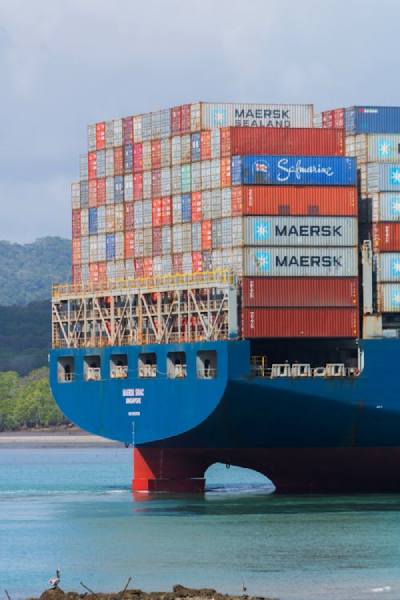
None of that hardware matters if the device cannot phone home. Global shipment tracking lives or dies on connectivity. A tracker that goes silent for four days at sea is not really tracking anything during those four days, no matter how clever the sensors are.
This is where 5G IoT roaming earns its keep. The tracker hops between cellular networks across borders without a SIM swap. Vessels at sea pose a different challenge, and the signal can drop in port basements or deep inside a hold. A decent logistics tracking system flags those gaps openly rather than pretending they did not happen.
The bit nobody mentions: the refresh cycle
Hardware does not last forever. Tossing it after one trip is also wasteful. The better setups run a refresh cycle. Trackers come back, get recharged, get firmware updates, and go out again. This is partly an environmental thing and partly a cost thing. Disposable trackers stack up, both in landfills and on your invoice.
What separates the good from the average
Pretty much every provider claims real-time tracking these days. The differences show up at the edges:
- Battery life on a long ocean leg
- Airline approvals for the air-freight portion of a route
- Whether the data flow keeps going when the SIM crosses a tricky border
- Whether anyone picks up the phone when something breaks at 2 a.m.
Pull a single journey log from any provider you are considering. The whole story is in there: data density, gaps, alert speed, sensor accuracy. One of those tells you more than a year of marketing emails.
Featured Image Source: https://images.pexels.com/photos/11299377/pexels-photo-11299377.jpeg