
Clinics running skin procedures, infusion therapies, and laser sessions often misjudge how long patients actually spend in the treatment chair. A session that reads as forty-five minutes on the booking sheet can stretch well past ninety once preparation, monitoring, and post-treatment checks are factored in. That cumulative time has a direct effect on patient comfort, cooperation, and clinical results.
When the Chair Becomes Part of the Treatment
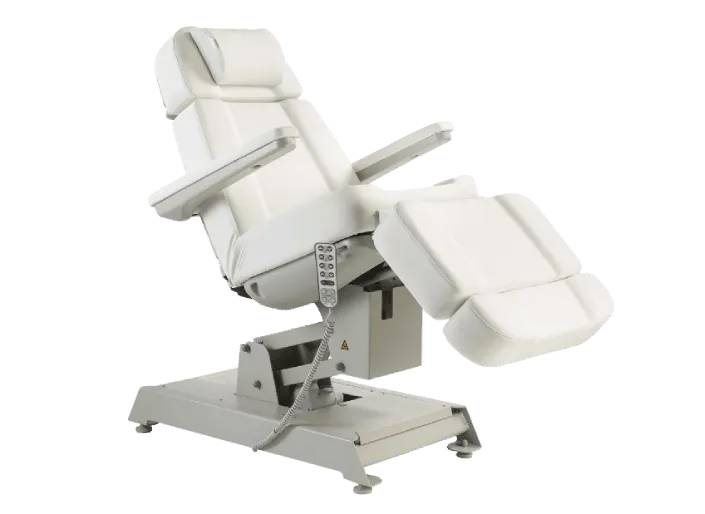
Positioning That Supports Clinical Accuracy: In busy skin clinics, dermatology chairs with multi-point electronic adjustability allow practitioners to position patients precisely without repeated manual repositioning. Backrest and leg rest controls, managed through a motorised handset, give clinicians real-time control during procedures. That stability reduces interruptions, keeps the patient still throughout the session, and directly supports the accuracy of the treatment being delivered.
Seating Built for Oncology and Infusion Settings: Patients undergoing infusion therapy bring a different set of physical and psychological demands into the clinic. A chair for chemotherapy must support extended rest positions, allow limb elevation for IV access, and let patients shift posture without disrupting the infusion line. A chair that falls short on these requirements adds real strain to an already demanding clinical experience.
The Physical Cost of Getting Seating Wrong
Ergonomic Furniture and the Ripple Effect on Procedures: Ergonomic furniture in treatment rooms does more than influence patient satisfaction scores. Fixed armrests, poor lumbar support, and the inability to recline during extended sessions produce body strain that surfaces as restlessness, anxiety, and requests to pause the procedure. These interruptions affect throughput, increase staff workload, and introduce variability into treatments that depend on patient stillness.
Why Discomfort Carries a Long-Term Clinical Cost: The importance of patient comfort in long-duration settings extends well beyond the individual appointment. Patients who associate a clinic with discomfort are less likely to return and less likely to comply with multi-session treatment plans. Clinics that invest in specialist treatment seating are protecting both their patient retention and the professional standard they project to the broader market.
What to Evaluate When Upgrading Treatment Room Seating
Features That Define Specialist Treatment Chairs: Clinics evaluating long-duration treatment chairs are often surprised by how specific the requirements become once patient load and procedural variety are factored in. A chair that performs well in a single treatment context may struggle across a mixed clinical day. Assessing seating against the full range of patient needs, rather than one use case, leads to more reliable procurement decisions.
A Practical Checklist for Treatment Room Chairs: Any treatment chair under consideration for a long-duration clinical environment should meet the following baseline standards:
- Electronic height adjustment for hands-free patient access and safe transfer
- Multi-section backrest and leg rest controls with smooth motorised movement
- Armrest design suited to IV access and extended limb positioning
- Disinfectant-resistant upholstery that withstands routine clinical cleaning protocols
- Weight capacity rated across a broad patient demographic
The Standard That Forward-Looking Clinics Are Setting
Clinics that continue seating dermatology and infusion patients in standard chairs designed for short appointments will face higher procedural interruption rates and lower patient retention over time. Purpose-built treatment chairs reduce patient strain, support clinical accuracy, and signal a standard of care that patients notice. Clinics ready to upgrade their treatment room seating can explore specialist chairs built for the demands of modern clinical practice.