
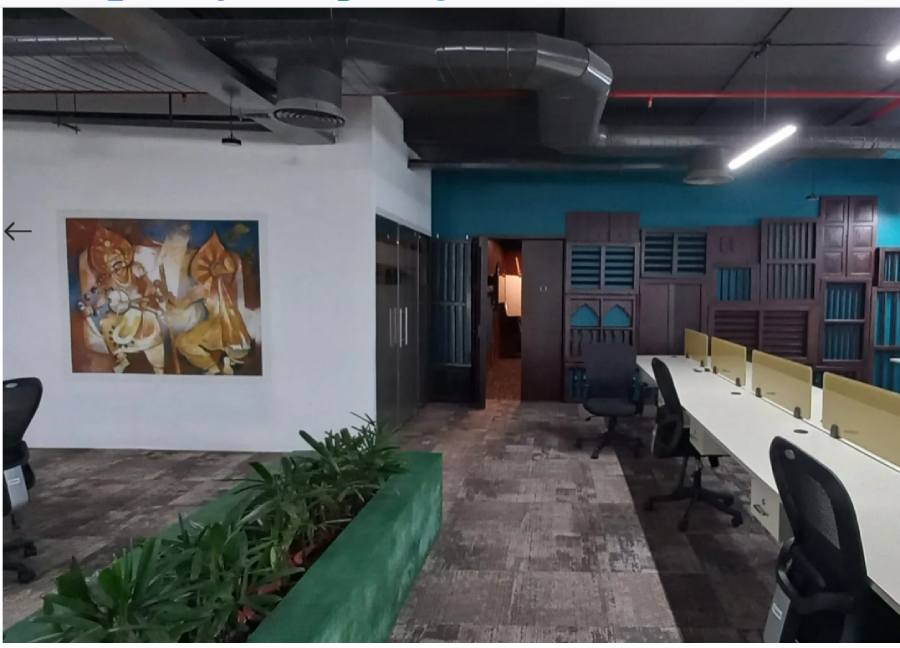
Many people will think that design is simply that; a wall is a wall and light is light, and anyone who knows how to design will be able to design both houses and offices. This will cost you money, because the best house interior designers in Mangalore understand the language of spaces like the language a novelist writes.
The office space is completely different from the house. The home is a place for solace, while the office space is all about performance. The best house interior designers in Mangalore know that it is about comfort. This means that everything designed must facilitate comfort.
Where the briefs diverge
However, the first thing the best office interior designers in Mangalore will start with will be quite different. How is the workflow going to proceed in the room? Which people will need collaboration, which ones need silence, and which ones are going to create too much noise? An unprofessional design of an office will drain its productivity in ways that will be discovered only when burnout occurs after several months.
A home is designed for you; a house is created by you and for you. A home speaks of the lives of people who live in it, of things that matter to those people and of the kind of lighting they like. However, an office speaks of the business itself.
What changes between the two
Materials and surfaces: In residences, materials have a more natural quality. Wood, stone, linen, jute. Materials that are soft underfoot and age well from exposure. Office spaces, however, use surfaces that can withstand foot traffic, spills, and cleaning, but are still warm enough that employees will not want to leave for lunch early on a Tuesday.
Light and air: Bedrooms require the ability to be completely darkened, while boardrooms require clarity free of glare regardless of the time of day. In residences, there is an abundance of light entering from wherever possible, perhaps diffused through curtains or reflected off a white wall. In offices, the light coming in is analysed and even filtered, due to the monitors on each desk.
Furniture choices: The furniture in a home responds to the body at rest, sofas that swallow you, chairs you study in, beds that envelop you for eight hours each night. The furniture in offices responds to the body at work. First comes ergonomics, then aesthetics; a badly sized chair will appear in someone’s lower back within a few weeks.
And then there is the consideration of who else occupies the space on a daily basis. A limited number of people occupy a home, perhaps always the same five faces, over a span of years. In contrast, complete strangers occupy the same office space from dawn until dusk. This affects issues of privacy, where doors fit, and the behaviour of walls when meetings overlap.
The cost of treating both is the same.
Planning a home or office? Start by asking what you actually want the space to do for you. Talk to a designer who listens before sketching, and treats your two briefs as two different problems. The right space, planned with care, gives back every day you live or work inside it.
Featured Image Source: https://yutoridesigns.in/