
Replacing a mattress feels like the logical next step when sleep starts breaking down. The back aches, the surface feels wrong, the nights get shorter. But a full replacement is expensive, logistically heavy, and sometimes solves nothing at all. The real problem is often the sleep surface layer, not the mattress structure beneath it. That distinction matters more than most people realise.
One Change, A Different Bed Entirely
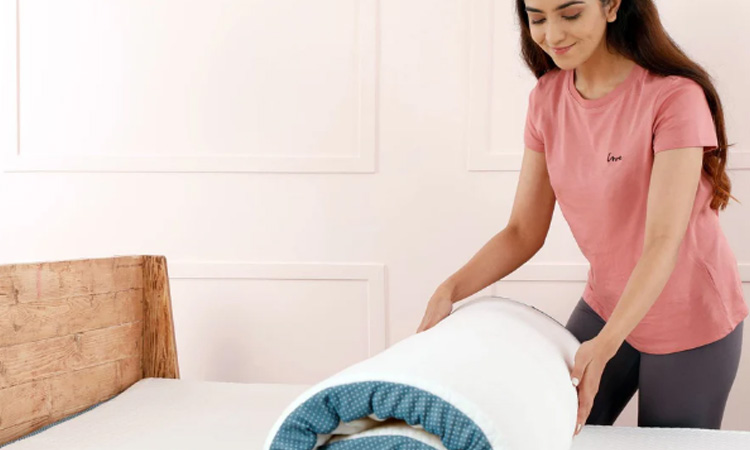
The Size Factor Changes Everything: Lying on a shared bed that no longer distributes weight evenly is genuinely exhausting. A mattress topper queen size fits directly over the existing surface and resets how pressure spreads across the bed. The hips stop sinking unevenly, the shoulders get actual cushioning, and both sleepers stop rolling toward each other. That’s not a small fix. That’s the difference between waking rested and waking already tired.
Natural Support That Responds With You: A latex mattress topper doesn’t just add softness. It pushes back with consistent, responsive pressure that shifts as the body moves through the night. For people who change positions frequently, this matters because foam holds an indent but latex adjusts. The spine stays supported across different sleeping angles, and by morning, the difference in how the lower back feels is hard to ignore.
What the Body Actually Needs Overnight
Muscle Recovery Depends on Surface Alignment: Sleep is when muscles repair, and that process depends on how well the surface maintains spinal neutrality. A topper with the right density supports the natural curve of the spine without creating pressure points at the hips or shoulders. Most people don’t connect their morning stiffness to surface contact. They should.
Signs the Surface Is the Real Problem:
- Waking with lower back or hip stiffness after a full night, not a mattress age issue
- Night sweats disrupting sleep before 3 AM, breathability gap in the current surface
- A partner’s movement waking you repeatedly, even on a relatively new bed
- That slightly hollow, flattened feeling directly under the usual sleeping position
The Science Behind Sleeping Cool
Overheating Breaks Sleep Before You Notice It: Sleep thermoregulation is the body’s process of dropping core temperature to enter deep, restorative sleep stages. When the surface traps heat, that process gets disrupted, sometimes repeatedly through the night. A breathable topper with open-cell or natural latex construction allows heat to escape rather than build beneath the body. Most people blame stress or caffeine for poor sleep. The surface is often the real culprit.
The Recovery Gap Compounds Over Time: Orthopaedic support through the night directly affects how muscles and joints recover from daily physical load. A worn or unsuitable sleep surface accelerates that gap between stress and recovery. Adding a structured topper closes it without the cost or disruption of a full mattress replacement. That’s the kind of upgrade that carries real weight.
The Bed You Already Own Can Work Harder
Sometimes the mattress isn’t broken. It just needs a better surface to work with. The topper sits on top, doing the job the original layer can no longer do consistently. And that gap between how sleep should feel and how it actually does, costs more over time than any single upgrade ever would.
Stop waiting for a full replacement. Pick the right topper for your body and sleeping position. Start sleeping better on the bed you already own.
Featured Image Source: https://urbanbed.in/cdn/shop/files/MG_9382_1_f17beaab-a7a4-4a57-83d6-38249ee6d08b.jpg?v=1735556372&width=900