
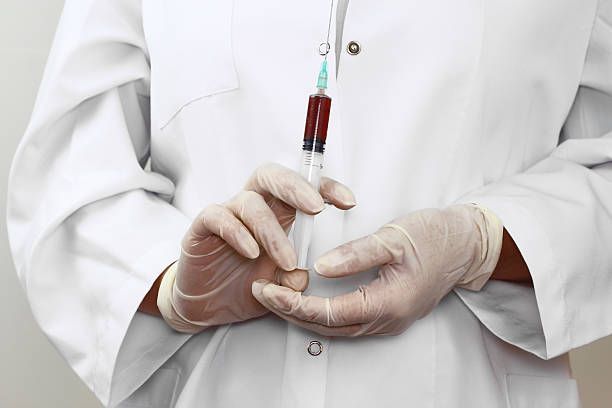
Whole body donation transforms a person’s death into a lasting contribution to medical science, helping train future doctors and advancing treatments that save countless lives through scientific research and education.
When someone passes away, their final act can echo through generations of medical breakthroughs. The decision to make this ultimate and selfless contribution represents perhaps the most profound way to help others long after death. This choice transforms an ending into countless new beginnings for medical science and patient care.
Understanding Medical Advancement Through Donation
Donating body to science after death serves as the foundation for medical education and research breakthroughs. Medical schools depend on these generous contributions to train the next generation of healthcare professionals. Students learn anatomy, practice surgical techniques, and develop the skills needed to save lives, through hands-on experience that textbooks simply cannot provide. These programs maintain strict ethical standards and treat each donation with utmost respect throughout the process.
Practical Benefits Beyond Traditional Options
Families that choose to donate bodies to science often discover significant practical advantages compared to conventional burial or cremation. Traditional funerals can cost thousands of dollars, creating financial stress during an already difficult time. Body donation programs typically handle transportation and cremation services at no cost to families, removing this burden entirely. This arrangement allows families to focus on grieving and remembering their loved one rather than managing expensive funeral arrangements.
Real-World Impact on Medical Training
The impact extends far beyond cost savings into tangible medical advances. Donated bodies help develop new surgical procedures, test medical devices, and study diseases that affect millions of people worldwide. Every donation potentially contributes to discoveries that improve cancer treatments, heart surgery techniques, or understanding neurological disorders. Medical professionals credit body donation programs with accelerating their learning and improving patient safety outcomes across all medical specialties.
Research Applications That Save Lives
Medical Research Breakthroughs: Scientists use donated bodies to study disease progression and test new treatment methods before clinical trials begin.
- Cancer researchers examine tumor development patterns
- Orthopedic specialists perfect joint replacement techniques
- Neurologists investigate brain disorders like Alzheimer’s disease
- Trauma specialists develop better emergency procedures
- Pharmaceutical companies test drug delivery systems safely
These contributions directly translate into better patient outcomes and innovative treatments that benefit society for decades. Research teams often work for years studying donated tissue samples to understand complex medical conditions better.
Educational Value for Future Healthcare
Medical students require extensive training before treating patients, and donated bodies provide irreplaceable learning opportunities. This education creates more skilled doctors, nurses, and medical technicians who serve communities nationwide. The knowledge gained from one donation can influence thousands of patients throughout a medical professional’s career. Many healthcare providers express deep gratitude for the learning opportunities that body donations provided during their education. This foundational experience shapes their approach to patient care and medical problem-solving throughout their careers.
Making An Informed Decision
Choosing body donation requires careful consideration of personal values, family wishes, and religious beliefs. Many people find comfort in knowing their final act contributes to medical progress and helps train compassionate healthcare providers. The decision should involve family discussions and proper documentation through a registered donation program. Pre-registration allows individuals to express their wishes clearly and ensures family members understand their intentions during difficult emotional times.
The choice to donate one’s body to science represents a final selfless gift that continues giving long after death. The result of this decision advances medical knowledge, trains skilled healthcare professionals, and potentially saves countless lives through research breakthroughs and improved treatments. For families considering end-of-life options, chosing a body donation program can provide both practical benefits and the satisfaction of making a lasting contribution to human health and medical science.
Consider speaking with registered programs to learn about eligibility requirements and the donation process.
Featured Image Source: https://media.gettyimages.com/id/175415733/photo/health-worker-with-syringe.jpg?s=612×612&w=0&k=20&c=eJVxrbGKv-fuVjyLhzDHP6rT2MTwm2mra167i4u5sz4=