
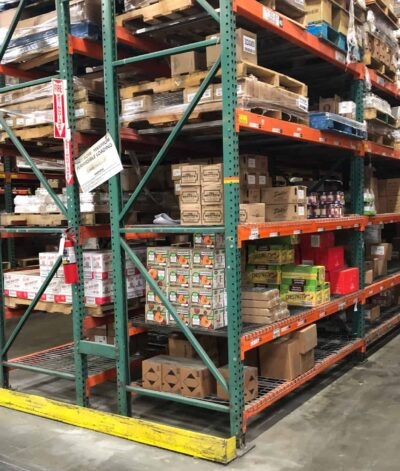
Growing businesses face critical decisions when warehouse capacity reaches its limit. Expansion scenarios range from adding square footage to existing facilities, relocating to a larger space, or implementing new operational processes. Each situation demands careful consideration of equipment needs, timeline constraints, and budgets, which can directly impact long-term success.
Strategic warehouse plan development becomes essential during these pivotal moments. Companies must evaluate current workflows, anticipate future growth patterns, and identify equipment requirements that will support both immediate needs and scalable operations. Smart planning prevents costly mistakes and ensures expansion efforts deliver measurable returns on investment while maintaining operational efficiency throughout the transition.
Incorporating used warehouse equipment into an expansion strategy provides significant advantages over purchasing new machinery. Pre-owned solutions offer immediate availability, eliminating lengthy lead times that can delay project completion. This approach allows businesses to acquire proven equipment at substantially lower costs, freeing capital for other critical expansion elements like facility improvements or workforce development.
Cost-Effective Equipment Solutions During Growth
- Budget Optimization Strategies: Expansion budgets often face competing priorities between facility costs, equipment purchases, and operational expenses. Used equipment allows companies to allocate resources more strategically, reducing initial capital requirements while still acquiring high-quality machinery. This financial flexibility proves crucial when unexpected costs emerge during expansion projects or when market conditions require rapid scaling decisions.
- Quality Assurance Considerations: Modern used warehouse equipment undergoes rigorous inspection and refurbishment before reaching the market. Many pre-owned pieces maintain excellent operational condition and offer years of reliable service. Buyers can often access maintenance records and performance data, providing transparency that supports informed purchasing decisions and reduces the risk associated with equipment investments.
Timeline Advantages and Operational Continuity
- Immediate Availability Benefits: New equipment orders frequently involve extended manufacturing and delivery timelines that can span several months. Used equipment typically offers immediate availability, allowing expansion projects to maintain aggressive schedules and avoid costly delays. This timing advantage becomes particularly valuable during peak business seasons when operational capacity directly impacts revenue generation.
- Installation and Integration Efficiency: Pre-owned equipment often arrives ready for immediate installation and operation. Many pieces require minimal setup procedures compared to new machinery that may need extensive configuration and testing. This streamlined integration reduces downtime, allowing the business to achieve full operational capacity more quickly during expansion.
Strategic Layout Planning Considerations
- Space Utilization Optimization: Effective expansion requires maximizing every square foot of available space while maintaining efficient workflows. Equipment selection directly impacts layout design and operational efficiency. Strategic planners must consider traffic patterns, storage density requirements, and future scalability when designing expanded facilities.
- Workflow Enhancement Opportunities: Expansion projects provide ideal opportunities to reevaluate existing processes and implement improvements. Equipment placement affects productivity, safety protocols, and maintenance accessibility. Thoughtful planning integrates new equipment seamlessly with existing systems while addressing previous operational bottlenecks or inefficiencies that limited performance.
Key expansion planning elements include:
- Capacity analysis that accurately projects future storage and handling requirements based on historical growth patterns.
- Equipment compatibility assessment to ensure new additions integrate effectively with existing systems and operational procedures.
- Safety compliance verification confirming all equipment meets current regulatory standards and workplace safety requirements.
- Maintenance accessibility planning that positions equipment for efficient servicing and reduces long-term operational costs.
Strategic warehouse expansion requires balancing multiple factors, including cost management, timeline pressures, and operational requirements. Used equipment provides a viable solution that addresses these competing priorities while supporting sustainable growth objectives. Smart expansion planning positions businesses for long-term success by optimizing resources and maintaining operational excellence. Contact qualified equipment specialists today to explore expansion solutions that align with your specific operational requirements and budget parameters.
Featured Image Source: https://conesco.com/wp-content/uploads/2019/10/Pallet-Racking-2-1-400×516.jpg