
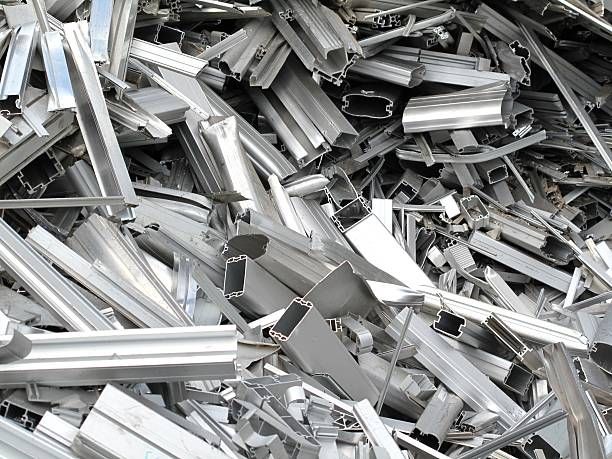
Every building site and industrial facility produces metal waste. Steel beams, copper wiring, aluminium frameworks, and fabrication offcuts accumulate quickly during operations. Without proper handling systems, these materials create storage problems, safety hazards, and lost revenue opportunities that directly impact project budgets and site efficiency.
Managing Commercial Metal Waste Effectively
Organised Collection Systems for Large Operations: Professional scrap metal for pick up services target commercial and construction sites where volume justifies dedicated collection schedules. These operations handle bulk loads that smaller residential services cannot accommodate cost-effectively. Building sites generate tonnes of material weekly, requiring industrial-scale solutions rather than household collection approaches that lack the capacity for heavy machinery and structural components.
Converting Industrial Waste Into Financial Returns: Establishing reliable scrap metal recycling partnerships transforms disposal costs into revenue streams for commercial operations. Construction companies and industrial manufacturers can recover value from materials previously considered waste. The financial benefit extends beyond simple payment for scrap, reducing landfill fees, transport expenses, and storage requirements that burden project budgets when materials sit unprocessed on site.
Why Volume Matters in Collection Services
Commercial Scale Requirements: Large sites produce metal waste in quantities that make professional collection financially viable. A single demolition project might generate several tonnes of steel alone. Industrial facilities with ongoing operations create consistent material streams that justify scheduled pickups. Residential properties rarely accumulate enough volume to warrant dedicated collection services, making yard delivery the practical option for households.
Cost Efficiency Through Bulk Processing: Collection services become profitable only at commercial scales. The fuel, labour, and equipment costs for sending trucks to pickup locations require substantial material volumes to justify the expense. Building sites meet this threshold regularly. Small residential loads do not cover operational costs, which is why households need to transport materials to processing yards themselves or hire trucks for larger quantities.
Environmental Compliance and Site Safety
Regulatory Standards for Construction Waste: Construction and industrial sites face strict waste management protocols that govern material disposal. Professional collection partners understand compliance requirements specific to commercial operations. They provide documentation, proper handling procedures, and audit trails that keep projects aligned with environmental regulations. This oversight protects companies from penalties while demonstrating commitment to responsible practices that increasingly matter to clients and stakeholders.
Reducing Site Hazards: Accumulated metal waste creates safety risks on active construction sites. Sharp edges, heavy materials, and cluttered work areas contribute to accidents. Regular professional collection maintains clear, safe working environments. This aspect alone justifies partnership costs through reduced injury risks and improved site organisation that speeds project completion.
Establishing Reliable Industrial Partnerships
Consistent Service for Ongoing Operations: Commercial sites benefit most from established relationships with collection providers. Regular schedules align with project phases and production cycles. Providers familiar with site-specific needs offer better service than occasional pickups. They understand material types, access constraints, and timing requirements that vary by operation.
Key partnership benefits include:
- Scheduled collections that match production or construction timelines without disrupting operations.
- Equipment suitable for heavy industrial materials like structural steel components and machinery parts.
- Transparent pricing based on current market rates rather than fixed fees that ignore fluctuating metal values.
- Proper documentation for environmental compliance and financial reporting requirements.
Professional metal collection partnerships deliver tangible benefits for construction sites and industrial facilities through organised waste management, revenue recovery, and regulatory compliance. These services specifically target commercial-scale operations where material volumes justify dedicated collection systems. Contact local processing facilities to establish collection schedules that align with your operational needs and transform waste handling from a cost centre into a revenue opportunity.
Featured Image Source: https://media.gettyimages.com/id/133993685/photo/scrap-metal-pieces-laying-in-a-pile.jpg?s=612×612&w=0&k=20&c=255eq6JeJao2iO5w-pXhmFkBGDHLabXH5Kn9SaA1lxw=