
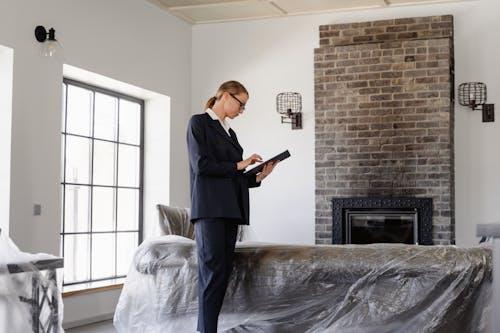
Viewing a property for the first time can cloud a buyer’s judgement. Fresh paint, a tidy garden, and an estate agent’s enthusiasm create an impression that rarely tells the full story. Buyers who move quickly from viewing to making an offer without professional input take on risks the purchase price alone does not reflect. Due diligence is what separates confident decisions from costly regrets.
The Experts Who Know Your Market Inside Out
Local Insight That Shapes Smart Offers: Property buyers who appoint Portsmouth surveyors before committing to a purchase gain a clear understanding of local building stock, known defects, and accurate valuations specific to the area. Portsmouth’s housing mix includes Victorian terraces, post-war construction, and modern builds, each carrying different risks. Without professional input, a buyer may proceed at a price that does not reflect the property’s true condition.
A Detailed Picture Before You Sign Anything: When buyers commission Southampton surveyors, they receive a professional assessment of property condition that goes well beyond what a viewing reveals. Southampton’s housing stock ranges from converted period buildings to new-build estates, each with distinct structural concerns. A qualified surveyor provides clarity on repair costs, maintenance obligations, and risks that would otherwise remain unknown until after completion.
What a Survey Actually Uncovers
Reading What the Property Cannot Hide: A professional survey inspects far more than a buyer can observe on a viewing day. It examines structural integrity across the roof, walls, foundations, and drainage, identifying defects not visible to an untrained eye. Catching these issues before exchange gives buyers the information needed to negotiate a realistic price or request remedial work as a condition of sale.
The Hidden Problem That Costs the Most: Damp ingress consistently ranks among the most frequently identified issues in building surveys across southern England. It presents in multiple forms including rising damp, penetrating damp, and condensation, each carrying different repair costs and urgency. Misidentifying damp on a casual viewing is straightforward to do, and the financial consequences of missing it until after completion can be considerable.
Turning Findings Into Negotiating Power: Survey findings do more than inform the buyer about any kind of defects. They provide documented evidence that can be used to negotiate a reduction in the asking price or require the seller to carry out repairs before exchange. This is a practical financial tool, and buyers who use it often recover the cost of the survey several times over through adjusted offers.
Questions Every Buyer Should Ask Before Exchange
The Questions That Reveal Hidden Risk: Choosing the appropriate level of survey matters as much as choosing to have one at all. A mismatch between survey type and the actual condition of a property can leave buyers with an incomplete picture and unexpected costs after moving in. Key questions to ask before instructing a surveyor include:
- Is the property pre-1920 or a more modern build?
- Are there visible signs of movement, cracking, or damp?
- Has the property had extensions or structural alterations?
- Is the mortgage valuation being mistaken for a full survey?
- Does the asking price reflect any identified repair needs?
Matching the Assessment to the Property: Older properties and those with complex construction benefit from a Level 3 building survey, while more straightforward modern builds may suit a Level 2 assessment. Selecting the right survey type ensures buyers receive the depth of information their property genuinely requires, reducing the risk of expensive surprises after moving in.
The Smartest Move Before You Move In
Commissioning a professional survey before exchange is the most effective way to avoid financial exposure after purchase. A surveyor’s report gives buyers clarity to negotiate, request repairs, or withdraw from a transaction that carries unacceptable risk. The fee is a small outlay measured against what it protects. Instruct a qualified surveyor early and approach the purchase with evidence, not assumption.
Featured Image Source: https://images.pexels.com/photos/7415120/pexels-photo-7415120.jpeg