
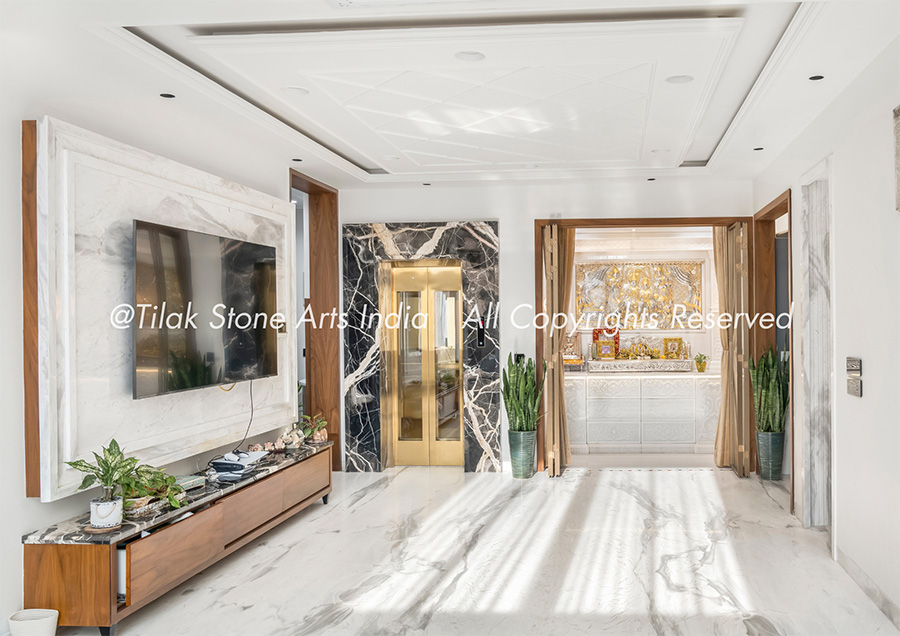
The decision to incorporate a sacred space within one’s residence reflects a commitment to both spiritual practice and aesthetic refinement. Modern homeowners increasingly seek solutions that honour tradition without compromising on design quality. A marble temple achieves this balance by combining devotional purpose with architectural distinction that endures across generations.
Creating Sacred Spaces with Premium Materials
Timeless Appeal Through Natural Stone: The choice of pooja room design marble brings an unmatched level of sophistication to residential interiors. Natural stone possesses unique veining patterns and luminous qualities that synthetic materials cannot replicate. Each temple becomes a singular piece, distinguished by the inherent characteristics of the marble selected for its construction.
Design Versatility Across Home Styles: Options for simple marble mandir design accommodate various spatial requirements and aesthetic preferences. Whether positioned in a dedicated prayer room or integrated within a living area, these structures adapt to existing architectural frameworks. The material’s workability allows for intricate carved details or clean contemporary lines depending on the homeowner’s vision.
Material Excellence and Longevity
Durability That Transcends Decades: Vietnam White Marble stands as the preferred choice for temple construction due to its structural integrity and visual purity. This particular stone variety maintains its appearance through years of daily use and ritual practice. Unlike softer materials that degrade or stain over time, properly selected marble withstands the elements while retaining its original lustre.
Low Maintenance Requirements: The non-porous nature of high-quality marble minimises cleaning efforts and prevents moisture absorption. Regular dusting and occasional wiping with a damp cloth suffice to maintain the temple’s pristine appearance. This practical advantage makes marble temples suitable for busy households where elaborate maintenance routines prove impractical.
Architectural and Spiritual Dimensions
Vastu-Compliant Placement: Proper orientation according to vastu principles ensures positive energy flow throughout the residence. The northeast corner traditionally serves as the ideal location, though skilled designers can adapt placement to accommodate modern floor plans. Consideration of direction, height, and surrounding elements contributes to both spiritual efficacy and visual harmony.
Customisation Possibilities: Specialised designers bring technical expertise to create temples that reflect individual spiritual practices and aesthetic sensibilities. From elaborate carved pillars to minimalist shrine designs, the creative possibilities remain extensive. This personalisation ensures the mandir becomes an authentic expression of the household’s devotional character rather than a generic addition.
Investment Value and Cultural Legacy
Property Enhancement: A well-executed marble temple adds measurable value to residential properties. Prospective buyers often view such installations as premium features that demonstrate attention to detail and quality. The investment extends beyond immediate aesthetic pleasure to long-term financial benefit.
Generational Significance: These structures become focal points for family traditions and spiritual practices passed down through years. The permanence of marble ensures that the temple remains functional and beautiful for children and grandchildren. This continuity creates emotional value that transcends monetary considerations.
Design Integration with Modern Interiors
Contemporary Aesthetic Balance: Modern temple designs incorporate traditional elements without appearing dated or out of place in contemporary homes. Clean lines, thoughtful proportions, and refined carving techniques create pieces that complement minimalist and traditional interiors alike. The key lies in selecting designs that respect sacred symbolism through updated visual language.
Lighting and Ambience: Strategic illumination enhances marble’s natural translucency and creates atmospheric depth during prayer times. Recessed lighting, pendant fixtures, or traditional oil lamps can all be integrated into the temple’s design. The interplay between light and stone surfaces adds dimension that static decorative elements cannot achieve.
Conclusion
A marble mandir represents more than a religious fixture; it embodies a commitment to quality craftsmanship, spiritual dedication, and timeless design. The selection of premium materials like Vietnam White Marble ensures structural longevity and visual excellence that synthetic alternatives simply cannot match. Consider engaging with specialised designers who understand both the technical requirements of marble work and the cultural significance of temple construction to create a sacred space that honours tradition through exceptional execution.
Featured Image Source: https://drive.google.com/file/d/1KSBERRtcOb5X2tUUZzTcpamB3kB4Kxqr/view?usp=drive_link