
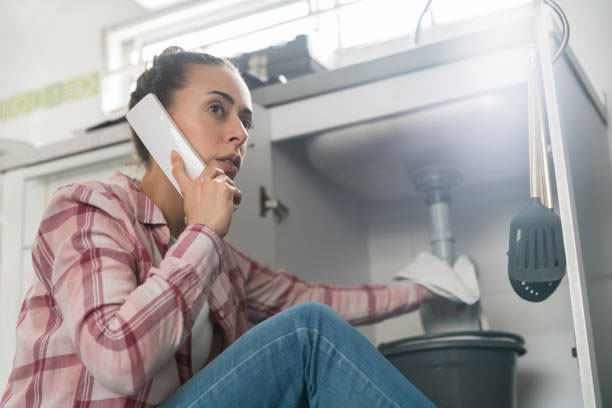
Phoenix homeowners deal with leak problems that don’t exist in cooler climates. The desert environment attacks pipes from multiple angles. Water chemistry eats through copper. Ground shifts and cracks slab foundations. Temperature swings stress joints and fittings. These factors combine to create leak scenarios that require specialized knowledge to fix properly.
Why Desert Conditions Accelerate Pipe Failure
Heat Stress on Pipe Systems: Arizona’s plumbing systems face relentless thermal expansion and contraction. Summer temperatures hit 115 degrees. Pipes buried in attics reach even higher. Metal expands in heat, then contracts overnight when temperatures drop 40 degrees. This daily cycle weakens joints and creates stress fractures that eventually burst. Older homes with original piping face the highest risk of sudden failure.
Hard Water Chemical Reactions: Valley water contains high mineral concentrations that attack pipes from inside. A leaking pipe often starts as a pinhole corrosion you can’t see. Calcium and magnesium build up inside copper lines. The deposits create galvanic reactions that eat through metal. What begins as a tiny drip behind drywall becomes a flood that destroys floors and belongings before anyone notices.
Copper Pipe Problems Most People Don’t Understand
Why Copper Fails Faster Here: Copper pipes last 50 years in some regions but fail in 20 years in Phoenix. The combination of alkaline water and heat accelerates electrolysis breakdown. Green or blue stains around fixtures signal active corrosion. Many homeowners think copper is indestructible. They ignore warning signs until pipes burst at 2 AM and flood entire rooms.
The Hidden Damage Pattern: Leaks typically start where pipes change direction or connect to fixtures. Elbows and joints experience the most stress. Water pressure fluctuations from city systems add extra strain. A small leak wastes 3,000 gallons monthly before anyone sees water damage. Mold grows inside walls. Wood rots. Repair costs multiply from hundreds to thousands when problems go unnoticed.
Why Local Expertise Prevents Repeat Failures
Reading Arizona-Specific Warning Signs: Experienced technicians recognize leak patterns unique to desert homes. They check water pressure at multiple points. They inspect attic pipes for heat damage. They test water chemistry to predict future corrosion spots. Generic plumbers miss these regional factors. They patch visible problems but leave underlying causes untouched.
Proper Diagnosis Saves Money: Quick fixes fail within months when root causes remain. Professional leak detection uses:
- Thermal imaging cameras that spot temperature changes behind walls
- Acoustic sensors that hear water movement inside concrete slabs
- Pressure testing that reveals weak points before they burst
- Video inspection of hidden pipe sections
Material Selection Matters: Not all replacement pipes perform equally in Arizona conditions. PEX piping resists corrosion better than copper in hard water. Cross-linked polyethylene handles temperature swings without cracking. The wrong pipe choice leads to repeated failures and wasted money on multiple repairs.
Conclusion
Homeowners in desert areas can’t treat leak problems like minor inconveniences. Arizona’s climate and water chemistry guarantee pipe failures without proper maintenance and expert repairs.
Highly trained technicians prevent disasters by identifying vulnerable spots before catastrophic breaks occur. Same-day emergency response stops water damage from destroying your home and budget. Call 602-257-9000 now for 24/7 leak detection and permanent solutions that actually last.
Featured Image Source: https://media.gettyimages.com/id/1300212975/photo/woman-at-home-calling-a-plumber-about-a-leaking-pipe-in-her-sink.jpg?s=612×612&w=0&k=20&c=wTsk1LTgl6X8EIxA1Q7d2mdUhBhsy20xCZ-pqmDiiY0=