
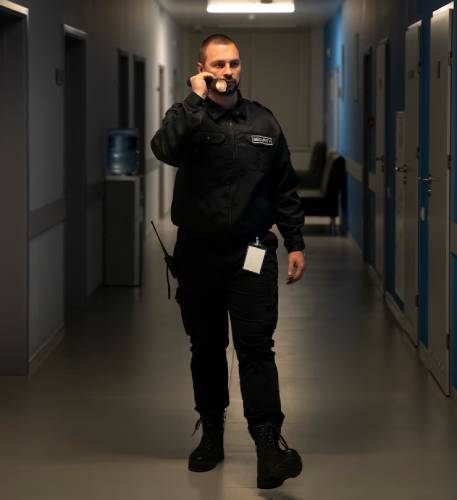
Most business owners think their biggest security risks happen during busy daytime hours. They’re wrong. Statistics show that commercial break-ins, theft, and vandalism spike dramatically after dark. Empty buildings become prime targets for criminals who know exactly when security measures are at their weakest. The silence of night creates perfect conditions for unauthorized access, equipment theft, and property damage that can cost thousands in repairs and lost productivity.
Professional security guard service provider companies understand this vulnerability. They’ve seen the patterns emerge across industries from manufacturing plants to office complexes. Night shift coverage isn’t just about having someone present. It’s about creating a visible deterrent that makes criminals think twice before attempting anything illegal. Trained guards bring expertise that automated systems simply cannot match. They adapt to changing situations, investigate suspicious activity, and coordinate with emergency services when needed.
Property guards security in services extend far beyond basic patrols during overnight shifts. Modern security professionals monitor multiple entry points, conduct regular perimeter checks, and maintain detailed logs of all activities. They’re equipped with communication systems that connect directly to management and law enforcement. This comprehensive approach ensures that every potential threat gets proper attention before it escalates into a serious incident that could threaten business operations or employee safety.
The Reality of Overnight Criminal Activity
Criminal behaviour follows predictable patterns that security professionals have documented for years. Most commercial break-ins occur between 10 PM and 6 AM when buildings are empty and streets are quiet. Thieves target valuable equipment, electronics, and sensitive documents during these hours because they have more time to work without interruption. The cover of darkness provides natural concealment that makes detection much more difficult for automated surveillance systems alone.
Warehouses and manufacturing facilities face particular risks during night hours. Large buildings with multiple access points create numerous opportunities for unauthorized entry. Expensive machinery, raw materials, and finished products represent significant value to organized theft rings. These criminals often conduct surveillance during business hours to identify security gaps they can exploit later. They know which buildings rely solely on alarm systems and which ones maintain an active security presence throughout the night.
Office buildings present different but equally serious overnight security challenges. Sensitive data, computer equipment, and confidential documents attract both opportunistic thieves and corporate espionage attempts. Cleaning crews and maintenance workers need access during off-hours, creating additional security considerations. Without proper oversight, these legitimate activities can mask unauthorized access attempts that compromise building security and put businesses at risk of data breaches or intellectual property theft.
Technology Limitations During Night Hours
Automated security systems have clear limitations that become more pronounced during overnight operations. Surveillance cameras struggle with low-light conditions despite advances in night vision technology. Motion sensors can trigger false alarms from animals, weather conditions, or equipment malfunctions. Alarm systems only alert authorities after a breach has already occurred, potentially giving criminals valuable time to complete their objectives before help arrives.
Remote monitoring services face significant challenges during night shifts when response times are typically longer. Security companies monitoring multiple locations simultaneously may miss subtle indicators that trained on-site personnel would immediately recognize. The human element provides critical judgment that technology cannot replicate. Guards can distinguish between legitimate activities and suspicious behaviour in ways that automated systems simply cannot process effectively.
Integration between different security technologies requires human oversight to function properly during overnight hours. Guards coordinate between surveillance systems, access controls, and alarm monitoring to create comprehensive coverage. They can manually override systems when necessary and adapt security protocols to changing conditions. This flexibility becomes crucial when dealing with emergency situations that require immediate decision-making and coordination with external authorities.
Benefits of Professional Night Security Coverage
Trained security guards provide immediate response capabilities that make the difference between minor incidents and major losses. They can investigate disturbances, detain suspects, and coordinate with police while preserving evidence. Their presence alone deters most criminal activity because thieves prefer easy targets without active security measures. Professional guards understand legal boundaries and proper procedures that protect businesses from liability issues during security incidents.
Customized security protocols address the specific vulnerabilities of different facility types during overnight hours. Retail locations need different approaches than industrial complexes or office buildings. Guards adapt their patrol patterns, monitoring priorities, and response procedures based on the unique characteristics of each location. This tailored approach ensures that security coverage addresses actual risks rather than generic threats that may not apply to specific business operations.
Cost-effectiveness becomes clear when comparing the expense of security coverage against potential losses from theft, vandalism, or business interruption. Insurance companies often reduce premiums for businesses that maintain professional security services. The documented presence of trained guards can also accelerate insurance claims processing after incidents occur. Many businesses discover that professional security coverage pays for itself through reduced losses and insurance savings over time.
Industry-Specific Night Security Requirements
Manufacturing facilities require specialized security approaches during overnight shifts when production continues but administrative staff are absent. Guards monitor both internal operations and external perimeters to prevent theft of raw materials or finished products. They coordinate with skeleton crews to ensure safety protocols are maintained and can respond to equipment emergencies or workplace accidents. The combination of valuable inventory and reduced staffing creates unique security challenges that require professional expertise.
Healthcare facilities operate continuously but face different security needs during night hours when visitor access is restricted and staffing levels are reduced. Guards control access points, monitor parking areas, and respond to emergency situations while maintaining the quiet environment patients need for recovery. They work closely with medical staff to balance security requirements with patient care needs, ensuring that safety measures don’t interfere with critical healthcare operations.
Educational institutions face particular vulnerabilities during overnight hours when valuable equipment and sensitive records are left unprotected. School buildings often have multiple entry points and complex layouts that make comprehensive monitoring challenging. Guards patrol classrooms, laboratories, and administrative areas while maintaining access for authorized personnel like custodial staff. They also monitor athletic facilities and dormitories that may remain active during evening hours but need security oversight.
Implementing Effective Night Security Programs
Successful night security programs begin with comprehensive risk assessments that identify specific vulnerabilities and threats facing each facility. Security professionals evaluate building layouts, access points, valuable assets, and operational requirements to develop customized protection strategies. These assessments consider both external threats and internal risks that could compromise security during overnight hours when normal supervision is reduced.
Staff training ensures that security guards understand facility-specific procedures and can respond appropriately to different types of incidents. Training covers emergency protocols, communication procedures, and coordination with existing staff members who work during night shifts. Guards learn about the specific assets they’re protecting and the business operations they’re supporting to provide more effective security coverage.
Regular evaluation and adjustment of security protocols keeps night security programs effective as threats evolve and business operations change. Security providers conduct ongoing assessments to identify areas for improvement and update procedures based on incident reports and changing risk factors. This continuous improvement approach ensures that security coverage remains relevant and effective over time.
Night shift security represents a critical investment for any facility operating beyond standard business hours. The statistics are clear: overnight hours present the highest risk for criminal activity, equipment theft, and property damage. Professional security coverage provides the human judgment, immediate response capabilities, and comprehensive protection that automated systems alone cannot deliver. Don’t wait for an incident to demonstrate the value of proper night security coverage. Contact Imperial Security today to discuss how professional overnight security services can protect your facility, assets, and business operations during the vulnerable hours when most crimes occur.
Featured Image Source: https://img.freepik.com/free-photo/security-guard-workspace_23-2150321642.jpg