
Auction houses see it happening. Design firms request it. Collectors who filled walls with contemporary abstracts are hunting Indigenous pieces that weigh heavier than aesthetics. The market shifted. It’s not slowing. What changed isn’t just taste. People want objects that connect them to something older than marketing campaigns and trend forecasts. That’s driving demand for pieces made by hands that learned from hands before them.
Cultural Authenticity Drives Collector Interest
Recognising Genuine Artistry: Native American Art moved from niche galleries into mainstream collecting. Buyers want provenance. Pieces crafted by Indigenous artisans carry techniques passed through generations, methods machines can’t replicate. Beadwork patterns mean something specific. Pottery shapes tell stories older than the people making them. That’s what collectors pay for when they’re building collections that outlast trends.
Understanding Market Demand: Canadian native crafts gain ground because buyers got smarter about purchases. Mass-produced imitations flood tourist shops, sure, but collectors spot fakes fast. Handstitched moccasins with traditional quillwork don’t look like factory knockoffs. The stitching gives it away immediately. Authentic pieces hold value. That’s driving interest from people who understand what craftsmanship costs.
Tracking Price Appreciation: Pieces sold ten years ago are reselling at multiples of original prices. Not every piece. The right ones, though. Collectors who grabbed Haida carvings in the early 2000s? Seeing returns that match fine art markets now. Galleries track this stuff. Authenticated works appreciate, particularly pieces from artisans with lineages you can actually trace back.
Interior Design Integration and Cultural Respect
Incorporating Heritage Preservation: Designers drop Indigenous art into projects. Heritage preservation meets clean modern spaces. A Cree basket in a Toronto condo lobby isn’t tokenism when it’s sourced right, placed with context about where it came from and who made it. These pieces ground spaces in something real. White walls and Scandinavian minimalism can’t deliver that weight alone.
Balancing Contemporary Spaces: Traditional Indigenous pottery mixed with clean-lined furniture creates tension. Good tension. Designers use pieces showcasing artisan techniques like sweetgrass weaving or birch bark etching for texture and narrative. The pieces don’t get lost in modern interiors. They anchor them. Your eye goes there first.
Creating Meaningful Displays: Context matters when placing Indigenous art in designed spaces. A single statement piece works better than clustering multiple items like decorative filler. Lighting makes a difference. Placement too. Designers position pieces where they command attention without competing against other focal points. The art needs breathing room, not crowding.
Investment Value and Sourcing Considerations
Evaluating Long-Term Worth: Authentic Indigenous art appreciates differently than mass market decor losing value the moment you purchase it. Factors determining investment quality:
- Documented artisan provenance, showing who created the piece and their community ties
- Traditional materials like tanned hide, porcupine quills, natural dyes that age instead of degrading
- Technique complexity taking years to master, visible in every stitch
- Cultural significance in designs carrying meaning beyond surface decoration
Verifying Authenticity: Buyers need to ask questions before purchasing. Where was this made? Who made it? What materials? Legitimate galleries provide answers, connect buyers directly with artisan communities when possible. Handle both authentic and imitation pieces once. The difference becomes obvious.
Avoiding Common Mistakes: New collectors make predictable errors. Buying from uncertified sellers. Trusting labels without verification. Going for the cheapest price. First buys should come from galleries that built reputations over decades. Not pop-up shops. Not online marketplaces where anyone stamps “authentic” on anything.
Conclusion
Want pieces with real cultural weight? Source from galleries working straight with Indigenous artisans. Authentic work carries stories factory lines never will. Explore traditional pieces for your space, but research before buying. Your walls deserve better than factory imitations claiming authenticity they don’t have.
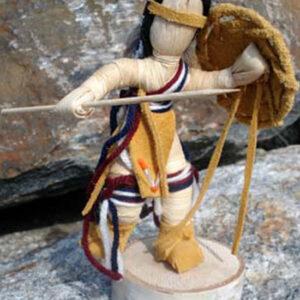
Featured Image Source: https://wolfden.ca/wp-content/uploads/2025/07/dollspear-300×300.jpg