
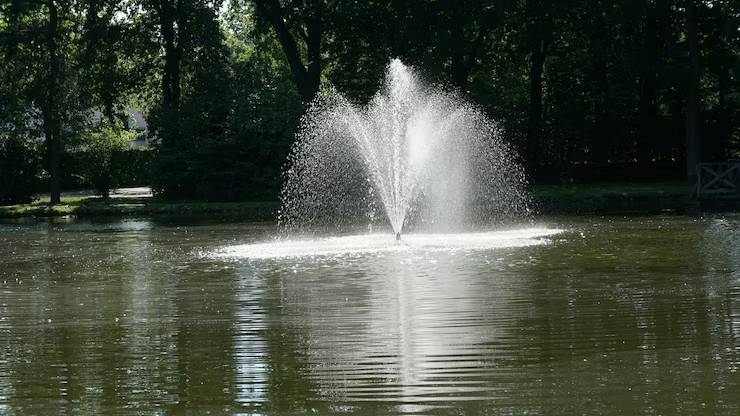
A pond or fountain isn’t just a water feature but it’s a part of your home. It should be clean, healthy, and something you’re proud of. But that takes regular care. Without it, you’ll be dealing with murky water, algae, and a system that doesn’t work the way it should. That’s where smart planning and the right tools, like reliable fountain pumps and large pond fountains, make all the difference.
Why Fountain Pumps Are the Heart of Your System
Fountain pumps keep the water moving. If the water stands still for too long, problems start. Algae grow, mosquitoes breed, and fish suffer. A strong fountain pump stops that by keeping oxygen moving through the water and pushing debris toward filters where it can be removed.
If you want your pond to look good and stay healthy, don’t cut corners on the pump. Choose one that fits the size of your pond and can handle the job. You’re not just buying a piece of equipment. You’re investing in long-term pond health.
Large Pond Fountains Do More Than Look Good
A lot of people think large pond fountains are just for show. They’re not. They help oxygenate the water, improve circulation, and support the whole ecosystem in your pond. When the water is circulating properly, harmful bacteria and algae don’t get a chance to build up. Fish stay healthy. The water stays clearer. And you end up with a pond that works as well as it looks. However, for ultimate aeration, an aerating fountain works better than a decorative fountain.
It’s not about putting in the biggest fountain. It’s about choosing the one that works best with your pond’s size and depth. It needs to move enough water to make a difference, not just sit there spraying for aesthetics.
What Happens When Circulation Stops
When your fountain pump breaks or your aerator shuts down, things get worse fast. You might notice a bad smell. The water turns green. Fish may get sick or even die. This happens because the water becomes stagnant, leading to no oxygen, movement, and balance.
Installing or upgrading your fountain pumps or switching to large pond fountains can quickly reverse those problems. It’s a small change that makes a huge impact.
Simple Maintenance, Big Results
You do not need to be a pond expert to make things work. Do this, and you are ahead of the majority:
- Inspect your pump once a week to ensure that it is running and clean.
- Discard leaves and floating debris after every few days.
- Check your water monthly for pH and nutrients.
- Prune water plants to prevent congestion.
- During winter, ensure that your equipment does not freeze.
The five steps are the only ones that can avert the most prevalent pond problems. The trick is to be consistent. Do not wait until a problem appears. Be ahead of it.
Final Thought
Maintaining a pond is about more than just cleaning—it’s about planning. Good circulation, proper equipment, and a regular schedule make all the difference. With the right fountain pumps and thoughtfully placed large pond fountains, your pond won’t just survive—it’ll thrive.
Put in the effort now, and you’ll spend less time fixing problems later. A beautiful, low-maintenance water feature is completely possible. It starts with understanding what your pond needs—and giving it the tools to succeed.
Featured Image Source: https://img.freepik.com/premium-photo/fountain-water_1048944-23698972.jpg