
Hearing deterioration creeps into daily life without warning. Phone conversations become strained, television volume climbs higher, and social gatherings turn exhausting. Some people notice these shifts over months or years. Others wake to silence in one ear overnight, a terrifying experience that demands immediate attention.
Recognising the Warning Signs
Gradual Decline Versus Sudden Changes: Progressive hearing reduction often accompanies ageing or prolonged noise exposure. People adapt unconsciously, missing the early stages when intervention works best. Consulting an ear nose throat specialist privately provides accurate diagnosis and prevents further deterioration. Sudden hearing loss strikes differently, occurring within 72 hours and sometimes within minutes, frequently affecting just one ear.
Associated Symptoms That Matter: Tinnitus accompanies many hearing disorders, presenting as ringing, buzzing, or hissing sounds that can persist during day and night. Balance problems suggest inner ear involvement, particularly when dizziness occurs alongside hearing changes. Pressure sensations, ear fullness, or muffled hearing point to specific conditions that respond well to treatment when caught early.
Understanding the Assessment Process
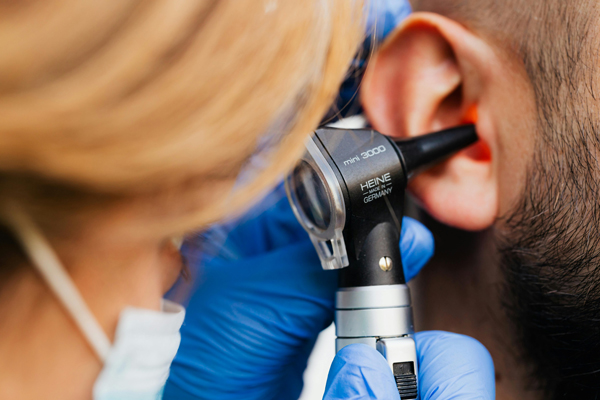
Detailed Ear Examinations: Direct visualisation through otoscopy checks for wax build up, infections, or eardrum damage
Comprehensive Hearing Evaluations: Specialists conduct pure tone audiometry to measure hearing thresholds across different frequencies. This painless test identifies whether hearing loss affects high or low pitches and determines severity. Speech discrimination testing reveals how well patients understand words at various volumes, information that guides treatment decisions.Tympanometry assesses the function of the middle ear and can detect fluid accumulation or issues with the ossicular chain (the bones responsible for one’s hearing).
Detailed Ear Examinations: Direct visualisation through otoscopy checks for wax buildup, infections, or eardrum damage. More complex cases require tympanometry, which assesses middle ear function and detects fluid accumulation or ossicle chain problems. These diagnostic tools clarify whether hearing loss stems from outer, middle, or inner ear dysfunction.
Treatment Pathways Based on Diagnosis
Medical Management Options: Certain conditions respond to medication or minor procedures. Ear infections clear with antibiotics, while wax removal restores hearing instantly. Sudden sensorineural hearing loss benefits from steroid therapy, though success depends on rapid treatment initiation. Eustachian tube dysfunction improves with decongestants and pressure equalisation techniques.
Advanced Intervention Approaches: Chronic conditions may require surgical solutions or hearing devices. Bone-anchored systems bypass damaged outer or middle ear structures. Cochlear implants suit profound sensorineural loss when standard hearing aids fail. Each option requires thorough discussion about expectations, recovery, and long-term outcomes before proceeding.
Why Timing Changes Everything
The Critical Window for Treatment: Delaying assessment reduces treatment effectiveness dramatically. Sudden hearing loss treated within days stands a better chance of recovery than cases left alone for weeks. Gradual decline masks underlying damage until irreversible changes occur. Private specialist care eliminates NHS waiting times, providing same-week appointments and immediate investigation access, often . Patients receive 100% private service with flexible scheduling that fits urgent needs.
Long-Term Hearing Preservation: Early intervention prevents secondary complications like social isolation, depression, and cognitive decline. Untreated hearing loss accelerates mental fatigue as the brain struggles to process incomplete sound information. Proper management maintains communication abilities, workplace performance, and relationship quality throughout life.
Reclaim Your Acoustic World
Hearing loss steals life’’s richness quietly, but specialist evaluation can reverses this trajectory. Detailed assessments identify treatable causes, while prompt treatment preserves auditory function. Private care delivers rapid access to diagnostic technology and treatment options without NHS delays. Book a specialist consultation within 48 hours to protect your hearing health and restore confidence in every conversation.
Featured image source: https://images.pexels.com/photos/5206946/pexels-photo-5206946.jpeg