
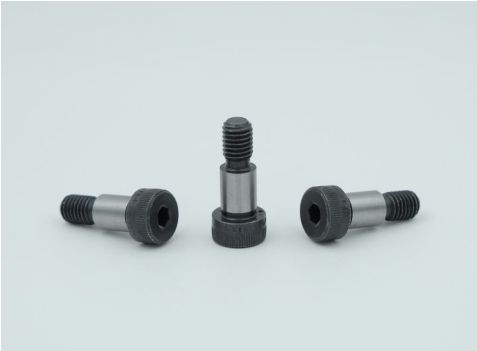
Mechanical fastening systems demand the use of precision components that deliver consistent performance under stressful conditions. These specialised fasteners represent critical elements in applications where precise positioning and load distribution matter most. Engineers face complex decisions when specifying components for rotating assemblies and pivot points across various industrial sectors.
Understanding Key Specifications
Shoulder bolts combine positioning accuracy of dowel pins with the clamping force of standard bolts, creating unique solutions for industrial applications. The shoulder diameter represents perhaps the most crucial measurement, as this dimension directly affects bearing surface area and load capacity throughout operational lifecycles.
Thread specifications require careful attention when selecting fasteners for specific applications across different industries. Metric threads offer different engagement characteristics compared to imperial alternatives, affecting joint strength and assembly procedures. Coarse threads provide better resistance to vibration loosening but may compromise fine positional adjustments during installation processes.
Material Selection Analysis
- Stainless Steel Properties: Austenitic grades offer excellent corrosion resistance in marine and chemical processing environments, making them suitable for applications where environmental exposure presents ongoing challenges. These materials maintain their mechanical properties across wide temperature ranges but may exhibit lower tensile strength compared to alternatives.
- Alloy Steel Advantages: Heat-treated alloy compositions deliver superior tensile strength and fatigue resistance for high-stress applications in manufacturing and automotive sectors. These materials respond well to various surface treatments including zinc plating and phosphate coating for enhanced environmental protection throughout extended service periods.
Common Selection Mistakes
- Material Compatibility Issues: Engineers sometimes overlook galvanic corrosion potential when mixing different metals in assembly configurations, leading to premature component degradation and joint failure. Environmental conditions such as humidity levels and chemical exposure require careful evaluation during material selection processes to ensure reliability.
- Manufacturing equipment applications benefit from components that resist contamination from cutting fluids and cleaning procedures:
- Corrosion resistance – Stainless steel grades prevent degradation from industrial chemicals
- Load capacity – Heat-treated alloys handle dynamic forces from machinery operation
- Dimensional stability – Precision manufacturing maintains accuracy under thermal cycling
- Surface finish – Proper treatments reduce friction and extend bearing life
- Installation procedures – Thread specifications enable efficient assembly practices
Industry-Specific Requirements
- Automotive Applications: Vehicle manufacturing demands the use of fasteners capable of withstanding vibration, temperature cycling, and crash loads throughout operational lifecycles. Safety regulations require full material traceability and certification documentation for components used in structural applications where performance standards cannot be compromised.
- Aerospace Standards: Aviation applications require components meeting stringent material certification standards with complete chemical composition documentation and mechanical property verification. Environmental testing validates performance under extreme temperature variations and altitude changes encountered during flight operations where reliability becomes absolutely critical.
Quality Assessment Criteria
Dimensional Accuracy Verification: Precision measurement equipment validates shoulder diameter, length, and thread specifications against engineering drawings and industry standards. Surface finish quality directly impacts fatigue resistance and corrosion protection, making visual and tactile inspection essential procurement steps for ensuring component reliability.
Material certification documents provide crucial information about chemical composition and mechanical properties, particularly important for safety-critical applications. Testing procedures validate load capacity claims and environmental resistance characteristics provided by component manufacturers to ensure specifications meet operational requirements.
Cost Optimisation Strategies
Procurement Efficiency Methods: Bulk purchasing arrangements often reduce per-unit costs particularly when combined with long-term supply agreements that guarantee availability for scheduled maintenance activities. Standardising specifications across multiple applications simplifies inventory management and reduces procurement complexity significantly throughout manufacturing operations and maintenance procedures.
Working directly with specialised manufacturers enables custom solutions that may prove more economical than adapting standard components for unique requirements. Lead time considerations affect project schedules and may justify premium pricing for expedited delivery when production delays threaten completion dates.
Proper shoulder bolt selection requires balancing mechanical requirements against environmental conditions and total lifecycle costs. Engineers who thoroughly evaluate material properties, dimensional specifications, and application-specific demands achieve optimal fastener performance and extended service life. Contact specialised fastener suppliers today to discuss custom solutions tailored to your specific industrial requirements and operational challenges.