
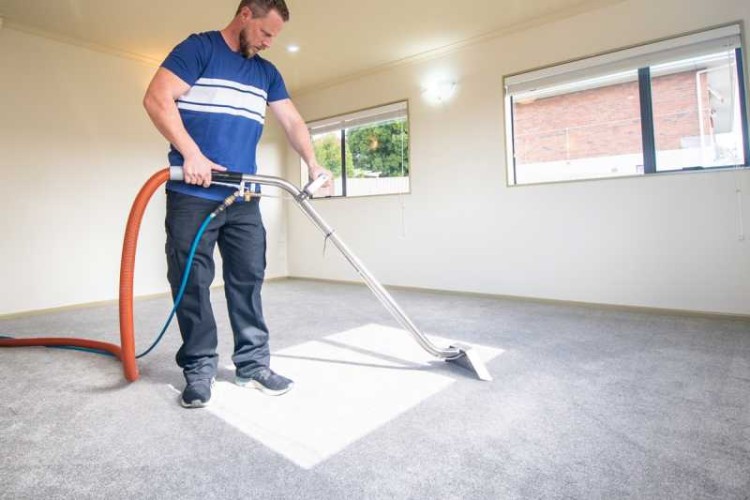
The fibre type under your feet changes everything. Wool behaves nothing like nylon. Synthetic blends react differently to heat and cleaning products than natural fibres. This is something any reputable carpet cleaning in Auckland service will assess before touching your floor. Using the wrong method, even once, can cause shrinkage, colour bleeding, or permanent texture damage. And here’s the thing, most people don’t realise until it’s too late: the damage is often invisible until the carpet dries.
Wool Carpets
Wool is strong and resilient, yet also delicate. It readily absorbs moisture and, if not properly controlled, can dry slowly—creating a genuine risk of dampness and mould growth in Auckland’s humid climate. High-temperature steam, especially when combined with cleaning chemicals, can permanently damage wool fibres and cause colour loss or distortion. Alkaline cleaning products are particularly harmful, as they can strip dye and degrade the wool’s cuticle—the natural protective layer that maintains its softness, strength, and resilience.
The right approach is low-moisture cleaning with pH-neutral solutions. Gentle agitation. No soaking. Many cleaning companies in Auckland skip this step because it takes longer. That shortcut costs homeowners carpet replacements that run into thousands of dollars.
Synthetic Carpets (Nylon, Polyester, Polypropylene)
Synthetics are more forgiving, but they’re not indestructible. Over-wetting is still a problem. Residue from cheap detergents attracts dirt faster after cleaning, which is why some carpets look dirtier within weeks of a cleaning.
Hot water extraction works well on most synthetics when done correctly. The keyword is correct. Water temperature, dwell time, and extraction pressure all need to match the fibre density and construction. A machine cranked to maximum heat may look like it will clean well and kill germs but it can also result in a slow drying carpet resulting in persistent malodor during the drying stage which can sometimes become permanent.
What About the Stains?
Spot treatment is where most DIY attempts go wrong. Scrubbing a stain can make it spread and assist unwanted colours fixing deeper inside fibres. It also pushes the stain deeper into the backing especially when water and cleaning products are used, making professional removal much more difficult later.
Blot, don’t scrub. Work from the outside of the stain inward. Use a clean white cloth. Test any product on a hidden area first. If the stain is old or set, stop. Trying to force it out yourself risks permanent fibre damage.
Red wine, coffee, and pet accidents each need different treatment chemistry. What works on one can set another permanently. Perhaps the most frustrating thing is that supermarket sprays are formulated for general use, not for your specific fibre type or stain composition.
Why Professional Cleaning Is a Better Option?
Professional equipment extracts significantly more moisture than consumer rental machines. This matters because high-performance vacuum systems remove more soil while also minimising residual moisture. When excess moisture is left in the carpet backing, mould can begin to develop within 24 to 48 hours—particularly in Auckland homes with limited ventilation and higher humidity levels.
However, reputable cleaning companies in Auckland will be able to identify carpet fibres and select a cleaning method accordingly. pH levels will be checked, water temperature adjusted, and the extraction equipment used will be strong enough to dry carpets in a matter of hours, not days.
IICRC-certified technicians specialise in fibre identification and soil chemistry. Don’t dismiss this as nonsense. It’s the difference between a carpet lasting another decade and one that needs to be replaced next year.
Maintenance Between Cleans
Regular vacuuming is necessary, ideally two times a week for high-traffic areas. A quality vacuum cleaner is necessary, and it should have a brush head with height adjustments to prevent the carpet fibres from being frayed. Doormats should be used at each entrance.
Cleaning every 12-18 months is a reasonable expectation for most homes in Auckland. If you have kids and/or pets, and/or high-traffic areas, cleaning needs to be more frequent.
Your carpet is an investment. Treat it like one.
Featured Image Source: https://www.ecosan.co.nz/wp-content/uploads/2021/05/Ecosan-Carpet-Cleaning-03-1-800×533.jpg