
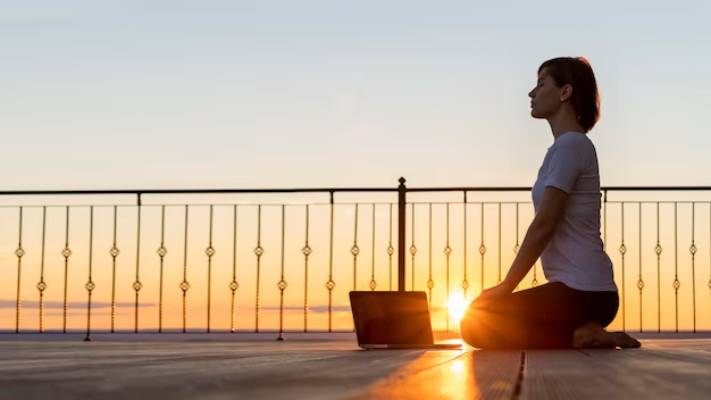
Meditation can be a great way to improve focus and motivation. It can also help you overcome any fears or challenges that you might encounter.
Be clear about your intention with each meditative session. Clearly articulate what listeners can expect from your journey, and provide tips to deal with any issues that may arise.
Self-awareness
Self-awareness, the ability to identify and understand your emotions and thoughts, is a critical component of any meditation journey. It allows you to see your inner landscape and learn how to navigate it with resilience and grace. It also helps you become more conscious of your impact on others, fostering healthy and productive relationships. Self-awareness is a lifelong process, but it can be nurtured through daily meditation practice.
Meditation centers like Oneness offer transformative journeys that promote mindfulness, inner peace, and self-awareness. Through guided sessions, peaceful environments, and personalized techniques, they help individuals reduce stress, enhance clarity, and achieve emotional balance. The center creates supportive spaces for personal growth, fostering deeper connections with oneself and others.
The first step of self-awareness is recognizing your thoughts and feelings without getting caught up in them. This is the key to practicing mindfulness, which is the foundation of any meditation practice. The best way to do this is by focusing on your breath. The physical sensation of your breath is a great anchor to the present moment and can help you stay grounded when your mind wanders.
Once you’ve mastered the basics of mindfulness, it’s important to make your practice your own. This means finding a time of day that works well for you, choosing a length of time, and setting an intention for your practice. For example, you might decide that you want to meditate in the morning to help energize your day or at night to wind down. You can also set an intention for how you’d like to feel after your session.
Another helpful technique is journaling, which can help you identify and analyze your emotions. Writing down your thoughts and feelings in a journal can give you a clearer picture of your internal landscape and provide insight into your values, motivations, and ideals. This can also help you discover the root of your emotional struggles and find ways to overcome them.
A healthy and balanced level of self-awareness can greatly improve your mental health. It can help you recognize early signs of stress and anxiety, so you can take steps to manage them before they escalate into full-blown symptoms. It can also enhance your relationships by helping you understand and express your emotions more clearly. Moreover, it can boost your physical health by promoting healthier lifestyle choices, such as regular exercise and a balanced diet.
Peace of mind
Meditation is a great way to relax and find inner peace. It also helps reduce stress and improves focus and concentration. However, it’s important to be aware of the risks and challenges associated with meditation. It’s important to seek guidance from a qualified professional, and to practice regularly. If you’re new to meditation, you may want to try guided meditations to help you get started. There are many free guided meditations available online and on apps such as Headspace and Calm.
The first time you sit to meditate, your mind may feel like a torrent of thoughts rushing through your head. But don’t be discouraged! These sensations are normal and will fade away over time. Just continue to bring your attention back to the present moment and breathe deeply. If you’re having trouble focusing, try a few short meditations and slowly increase the length as you become more comfortable with it.
As you progress in your meditation journey, you’ll notice that your thoughts and emotions are more stable. You’ll begin to notice moments of calmness throughout your day, and you’ll start to enjoy your life more than ever before. This is because your awareness has grown, and you’re able to let go of the past and future.
You can start your meditation journey by finding a quiet place to sit and focusing on your breath. Once you’ve found a quiet space, it’s important to stay focused and not allow your mind to wander. If your mind starts to wander, be patient with yourself and gently guide it back to the meditation. If you can’t stop your thoughts from racing, try listening to music or using a white noise app.
Once you’ve begun to discover the benefits of meditation, it’s natural to want to share this experience with others. This can be a powerful way to inspire people to make healthy lifestyle changes. It can also boost motivation and improve self-esteem. But it’s essential to be aware of the risks of meditation and to consult your doctor before making any changes to your diet, exercise, or health habits.
Reduced stress
Whether you’re trying to cope with the daily stressors of life or managing symptoms of a psychosomatic disease, meditation can help. It is a practice that can enhance focus and concentration, improve mood, strengthen emotional stability, and more. To begin your meditation journey, find a technique that feels natural for you and set up a quiet space where you can sit undisturbed. Try different methods like focused attention, loving-kindness meditation, body scan, and walking meditation to discover what resonates most with you.
Once you’ve established a regular mindfulness routine, you can reap the many benefits that meditation offers. Here are a few of the most important benefits to expect on your meditation journey:
Reduced Stress
Meditation helps you detach from the day-to-day drama and learn to be present in the moment, which can reduce your feelings of stress. It can also teach you to better manage stress-inducing situations by providing you with new coping tools. Additionally, meditation can help you feel more connected to others by fostering an attitude of compassion and kindness.
Enhanced Concentration
The brains of long-term meditators are more connected than those of non-meditators, which can lead to improved concentration and memory retention. Meditation can also help you keep your mind from wandering during the day, allowing you to stay focused on tasks.
Achieving a calm state of mind is a goal many people pursue on their mindfulness meditation journey. However, it’s important to remember that it takes time and patience. It’s also normal for your mind to wander during meditation, but it’s a good idea to gently bring your attention back to the present moment.
Enhanced concentration
When you engage in meditation, your body releases a feeling of peace and calmness that can help you focus. This mental clarity can lead to improved sleep quality, reduced stress, and more. In addition, it can help you think clearly and find creative solutions to life’s challenges. This clarity can improve your decision-making and problem-solving abilities, as well as make you a more productive and healthy person.
Meditation is a journey that takes time and patience to reach a point of mastery. Initially, you may feel distracted during your meditation sessions and struggle to maintain your focus. This is normal and a natural part of the process. In fact, the more you practice, the more your brain becomes better at focusing, and it also grows parts of the brain that support this activity. As a result, you can meditate more efficiently and for longer periods of time.
During your meditation journey, you can try different techniques and customize your practice to suit your needs. For example, Body Scan Meditation can soothe your nervous system by promoting awareness of physical sensations and fostering relaxation. You can also try Mindfulness-Based Stress Reduction, which teaches you to consciously notice your feelings without judgment and return to a state of equanimity.
The benefits of meditation increase with regular practice, so start small and gradually build up to a daily routine. Aim for at least five minutes of meditation each day and increase this amount as you become more comfortable with the process. Aiming for a daily habit helps you overcome the initial resistance that many beginners encounter when starting meditation.
Practicing deep breathing techniques can enhance your meditation experience by reducing stress and increasing the overall health of your body. This is because meditating regularly can reduce your blood pressure, relieve anxiety, and promote relaxation. It can also help you relax your muscles and prevent muscle spasms.
When you are able to get into a meditative state, it will be easier for you to understand yourself and your emotions and can relate to other people more easily. A meditative state can also lead to greater compassion for others, which can improve your relationships and overall happiness in life.
Featured Image Source: https://img.freepik.com/free-photo/full-shot-woman-with-laptop-meditating_23-2148897885.jpg?ga=GA1.1.1958113347.1732533911&semt=ais_hybrid_sidr