
There is a distinction that rarely makes it into procurement meetings: the difference between a hose that works and one that actively protects operations. A hose can hold pressure through a test run and still fail under the sustained heat, chemical exposure, or vibration of daily production. That gap is precisely where unplanned downtime and safety incidents begin.
When the Right Source Is Half the Solution
The Source of the Problem Starts at Specification: Not every hose failure starts on the shop floor. Many trace back to the point of selection, when buyers choose on price rather than specification. A credible rubber hose manufacturer accounts for temperature range, chemical compatibility, and pressure class from the outset. These are not secondary concerns. They are the variables that determine actual service life.
Why Validated Products Change the Equation: Sourcing from established, field-tested brands reduces the guesswork that low-cost procurement introduces. Eaton hoses are manufactured to consistent standards, with wall construction, reinforcement, and fittings validated across a range of industrial conditions. When a product has decades of documented performance behind it, procurement stops being a gamble. The specification is known, compatibility is tested, and early failure risk drops considerably.
What Failure Actually Costs
The Knock-On Effects of a Single Incident: A hose failure in an active facility is not a minor inconvenience. It stops production, triggers a safety incident, and pulls the maintenance team from scheduled tasks. Most failures are predictable: a hose running beyond its working pressure, past its temperature rating, or well into overdue replacement. The cost of the hose is trivial. The shutdown never is.
The Symptoms That Get Missed: Hose degradation does not announce itself. Inner lining damage forms before the outer cover shows any sign, and gradual pressure loss often gets blamed on the pump. Coupling seepage gets wiped off and ignored. By the time something visibly fails, the damage has been building for weeks. Regular inspection is about finding problems before they find you.
Warning signs to check during routine inspections:
- Surface cracks or blistering on the outer cover
- Kinking or permanent deformation along the hose body
- Unusual stiffness in ambient temperature conditions
- Discolouration or weeping near couplings
- Visible wear at bend points or contact areas
- Swelling or softening along the hose body
Built to Last, Not Just to Pass
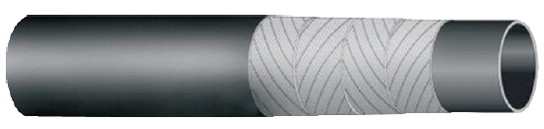
What Sets High-Performance Hose Apart: The distinction between a serviceable hose and a reliable one is found in its construction. Reinforcement layer count, end-fitting compatibility, and material selection determine how a hose assembly performs under sustained operational load. A product selected purely on cost will typically commission without issue. The problems come months later, when the environment is harder and downtime is less acceptable.
Supplier Reliability Is Part of the Product: Operational continuity depends on more than product quality. It depends on having a reliable supplier who responds when specifications change, when a replacement is urgent, or when a non-standard configuration is needed. Procurement decisions made without factoring in supplier responsiveness create vulnerabilities that only become visible after installation, at which point switching suppliers is rarely a quick or easy option.
The Operations That Keep Running Are the Ones That Plan Ahead
Facilities that avoid unplanned downtime treat hose selection and maintenance as an active system. That means sourcing from verified suppliers, replacing on schedule rather than on failure, and matching products to the application rather than the budget. If the current hose supply is leaving those decisions to chance, that is worth addressing now, before an incident does it for you.
Featured Image Source: https://www.jreltd.com/images/utility-hoses/pic3.jpg