
Many people want their new tattoo to heal quickly. They think faster means better. This approach often backfires. Your skin needs time to repair itself properly. Pushing for speed can lead to colour loss, raised scars, and patchy areas that never fully recover. The goal should be quality, not velocity.
Why Speed Doesn’t Equal Quality in Tattoo Recovery
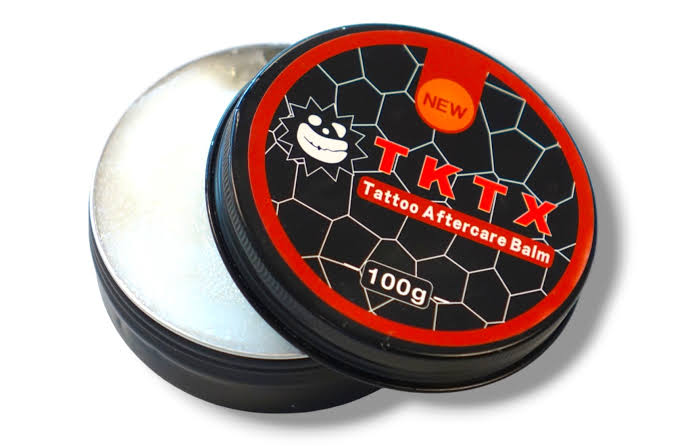
Moisture Creates the Right Environment: A tattoo aftercare ointment provides controlled hydration that supports gradual tissue repair. Skin cells need moisture to regenerate without forming thick scabs that pull ink out. Applying too much product or switching products daily disrupts this balance. Your body has a natural timeline, and trying to accelerate it usually causes more harm than good.
Consistency Matters More Than Intensity: Proper skin care means following the same routine every day without skipping steps or adding random products. Some people think washing more often speeds things up. Others believe letting it dry completely makes it heal faster. Both approaches can strip moisture or cause excessive peeling. Stick to gentle cleansing twice daily and apply a thin layer of ointment as directed.
Understanding the Natural Healing Timeline
The First Week Sets the Foundation: Initial healing involves plasma secretion that forms a protective layer over the wound. This stage looks alarming to some people. The tattoo might appear dull or cloudy. Resist the urge to scrub or pick at it. Your body is building the groundwork for permanent ink retention, and interference now affects the final appearance.
Weeks Two to Four Bring Visible Changes: The outer layer begins to flake and peel during this period. You might notice:
- Dry patches that tempt you to over-moisturise
- Slight itching that makes you want to scratch
- Colour that seems lighter than expected
- Texture changes that feel uneven
These are normal signs of epidermal renewal happening beneath the surface. The dermis is still actively healing even when the top layer looks finished. Patience during this phase determines whether your tattoo stays crisp or becomes fuzzy over time.
Signs Your Tattoo Is Healing Correctly
Gradual Improvement Over Sudden Changes: Healthy recovery shows steady progress rather than dramatic shifts. The area should become less tender each day. Redness fades slowly. Any swelling reduces bit by bit. If you see rapid changes, something might be wrong. Fast healing often signals that your body is rushing to close the wound, which can trap bacteria or push out ink.
Minimal Scabbing Indicates Good Moisture Balance: Thick, crusty scabs form when skin gets too dry. They create a barrier that prevents ointment from reaching the healing tissue underneath. When scabs eventually fall off, they take colour with them. Thin, barely visible flaking is what you want to see. This suggests your aftercare routine is working correctly without forcing the process.
Conclusion
Healing well means protecting your tattoo investment for years to come. Don’t rush the process or compare your timeline to someone else’s. Everybody responds differently to the inked tattoo. Focus on consistent care, appropriate moisture levels, and giving your skin the time it needs. Choose products designed for tattoo recovery and follow your artist’s instructions carefully. Your patience now determines whether you love your tattoo forever or regret cutting corners for the sake of speed.
Featured Image Source: https://www.numbingcream.com.au/cdn/shop/files/images.jpeg-17_1024x1024@2x.jpg?v=1703607561