
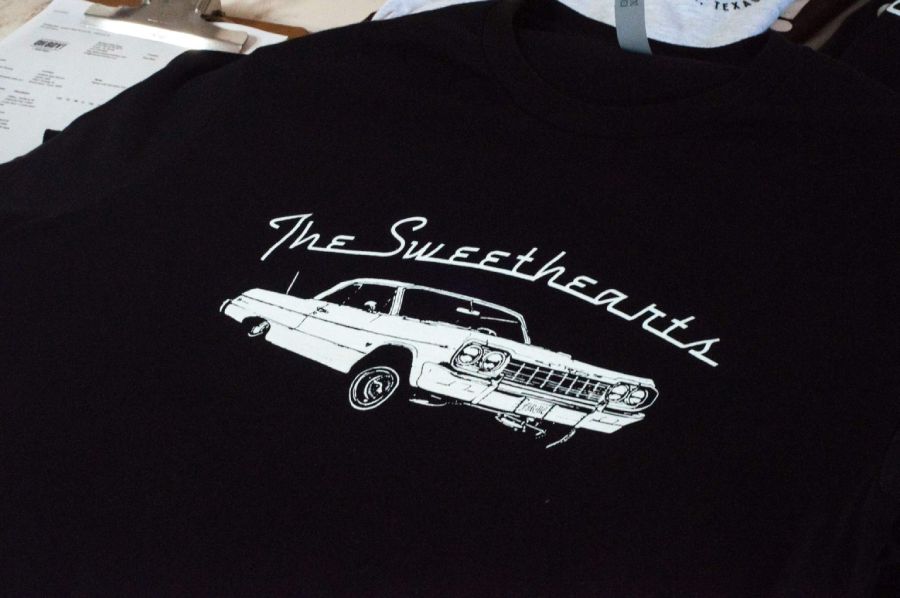
Creating a custom garment requires a balance of technical skill and creative vision. Most people worry about the durability of their designs or whether the colors will appear correctly on the fabric. A professional approach focuses on every detail from the initial file check to the final heat application. This ensures that the finished product meets high standards.
Production Foundations
Focusing On Artwork Preparation: High resolution files are necessary for any Austin t shirt printing project to succeed. Designs must be cleaned up and separated into individual layers for each color used. Low quality images often result in blurry edges that ruin the professional look of a custom garment. Experts check every line to guarantee a crisp finish.
Understanding Screen Setup: When searching for a print shop for shirts near me the local expertise matters for timely delivery. Technicians coat mesh screens with light sensitive emulsion before burning the design onto the surface. This mechanical step requires precision because even a small speck of dust can create imperfections in the final image. Each color needs its own dedicated screen.
Technical Application Methods
Exploring Ink Variations: The choice of ink determines how the design feels on the skin. Heavy inks provide bold colors that stay bright for years while thinner options offer a soft touch. Using a Pantone Matching System allows for exact color replication across different production runs. This method creates a professional look that maintains brand consistency on every piece of fabric.
Selecting Proper Garments: Choosing the right fabric is just as important as the design itself. Cotton blends react differently to heat and pressure than synthetic materials do. A printer evaluates the weight and weave of the shirt to prevent shrinking or scorching during the curing process. Testing a sample ensures the ink bonds permanently to the fibers.
Refining The Final Product
Managing Production Speed: Efficiency in the shop depends on how fast the machinery runs without sacrificing detail. Manual presses offer great control for small batches but automatic machines handle large orders with better consistency. Operators watch the alignment of each print stroke to make sure the colors do not shift or overlap incorrectly during the run.
Applying Heat Treatments: Once the ink is on the fabric it must pass through a high temperature dryer. This step involves plastisol curing which is what makes the design wash fast and durable. If the center of the ink layer does not reach the right temperature the design will crack or peel away. Proper timing and heat settings are the secret to longevity.
- Check alignment of every shirt
- Verify color accuracy against proofs
- Inspect for ink bleeds or smudges
- Confirm the dryer temperature is stable
- Pack garments neatly to avoid wrinkles
Quality Assurance Standards
Monitoring Every Print: Real human eyes inspect every single item that comes off the belt. Machines are great but they cannot spot a tiny hole in the fabric or a slight shade mismatch like a person can. Each shirt gets a final look to ensure the placement is centered and straight before it goes into a box.
Final Finishing Touches: Professional shops take pride in the presentation of the finished order. This includes removing stray threads and folding the items so they are ready for immediate distribution. Customers appreciate receiving a clean product that shows care was taken throughout the entire journey from the original digital concept to the physical closet.
Getting custom apparel should be a smooth experience that results in products people actually want to wear. Avoiding cheap shortcuts protects the brand image and ensures the money spent is a wise investment. Contact a local expert today to start your next custom apparel project and see your ideas come to life.
Featured Image Source: https://ohboyprintshop.com/wp-content/uploads/2016/11/austin-screen-printing-compressor1-1536×1020.jpg