
Most facilities treat safety issues as mere paperwork. They tick boxes, pass audits, and hope nothing goes wrong. But the real question is whether their fluid transfer systems were designed to prevent incidents or simply meet minimum standards. There’s a significant difference between compliance and genuine safety.
Engineering Safety Into Every Connection
The True Cost of Standard Connections: When facilities rely on basic threaded connections or cam-and-groove couplings, they accept a certain level of risk. Operators face chemical exposure during connections and disconnects. Drips turn into spills. Clean-up time adds up. What looks like a minor inconvenience on paper becomes a pattern of near-misses in practice. The todo coupling approach might seem adequate until someone calculates the actual cost of repeated fluid loss, protective equipment, and incident documentation.
Where Design Choices Matter Most: Every connection point in a fluid transfer system is a potential failure point. Standard couplings require manual alignment, physical effort, and direct operator contact with process fluids. This isn’t just inconvenient. It creates exposure windows that well-designed systems eliminate entirely. JRE Private Limited understands that safer facilities don’t manage risk better, they remove it through superior connection technology that limits human contact with hazardous materials.
How Connection Technology Shapes Operator Safety
Exposure Windows and Human Error: Traditional connection methods put operators in direct contact with fluids during coupling and uncoupling operations. Even with proper training and protective equipment, these moments create risk. Rushed connections during busy shifts, fatigue after long hours, or simple miscommunication can turn routine tasks into reportable incidents. The system design either protects people or puts them in harm’s way.
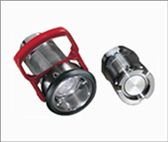
Clean Disconnection Standards: Advanced dry-disconnect technology changes the safety equation entirely. These systems capture residual fluid during disconnection, preventing spillage and eliminating the need for absorbent materials or extensive clean-up procedures. Operators complete tasks faster with zero chemical contact. Facilities reduce their environmental compliance burden and cut costs associated with spill response and waste disposal.
Rapid-Connect Solutions and Incident Prevention
Speed Without Compromise: Quick-connect couplings reduce connection time from minutes to seconds. This isn’t just about productivity. Faster connections mean less operator fatigue, fewer opportunities for error, and reduced exposure duration. When workers can complete fluid transfer tasks efficiently, they maintain focus and follow proper procedures more consistently.
System Integration Benefits: Purpose-designed connection systems work together as an integrated safety solution:
- Automatic shut-off valves prevent fluid release during disconnection
- Color-coded components eliminate cross-contamination risks
- Ergonomic designs reduce physical strain and improve operator comfort
- Standardised connections across facilities simplify training and reduce mistakes
Designing for Real-World Conditions: Theory meets reality on production floors. Connection systems face pressure fluctuations, temperature extremes, and constant use. Facilities that choose quality components from the start avoid the hidden costs of frequent replacements, emergency repairs, and production downtime caused by connection failures.
Safety isn’t something you add to a fluid transfer system after installation. It’s engineered into every component, every connection point, and every operational procedure. Facilities that partner with experienced suppliers create systems where safety is inherent, not imposed. The choice between standard solutions and advanced connection technology determines whether your team manages risks or eliminates them. Design your next system with safety as the foundation, not an afterthought.
Featured Image Source: https://www.jreltd.com/images/dry-break-coupling/3.jpg