
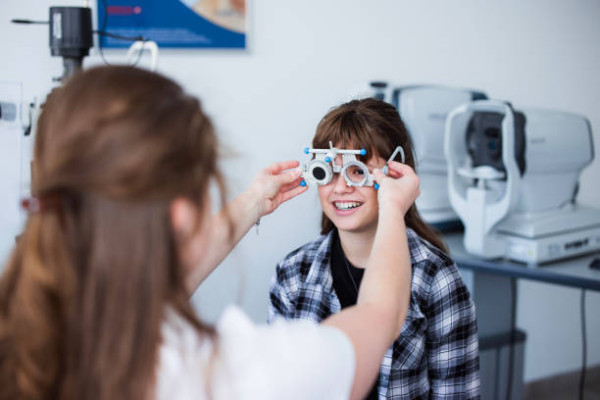
Children’s eyes develop rapidly during their first years of life, making early vision care essential for proper growth and learning. Many parents assume their child can see clearly because they don’t complain about vision problems, but young children often don’t realize their vision isn’t normal. This creates a dangerous gap where treatable conditions go undetected, potentially affecting a child’s entire educational journey and social development.
A qualified Reseda Optometrist can identify vision problems before they impact your child’s development through comprehensive pediatric eye exams. These specialized evaluations check for common issues like amblyopia, strabismus, and refractive errors that standard school screenings often miss. Early detection allows for timely treatment when the visual system is still developing and most responsive to intervention.
Regular pediatric eye exams become even more critical when considering that 80% of learning happens through visual processing. Children with undiagnosed vision problems may struggle academically not due to learning disabilities, but because they simply can’t see the board clearly or track text properly while reading.
Understanding Common Childhood Vision Problems
- Amblyopia Development: This condition, commonly called lazy eye, affects approximately 3% of children and occurs when one eye doesn’t develop normal vision during early childhood. The brain begins to ignore signals from the weaker eye, leading to permanent vision loss if not treated before age 7-8.
- Strabismus Recognition: Eye misalignment affects about 4% of children and can cause double vision, depth perception problems, and social difficulties. Children may turn their heads, cover one eye, or avoid activities requiring good depth perception like sports or climbing playground equipment.
- Refractive Error Impact: Nearsightedness, farsightedness, and astigmatism can develop gradually, making them hard for parents to notice. Children might sit too close to screens, squint frequently, or complain of headaches after reading or homework without parents connecting these behaviors to vision problems.
Benefits of Early Detection and Treatment
Regular eye exams allow for early intervention when treatments are most effective. Children’s visual systems remain flexible until around age 8-9, making this the optimal window for correcting many conditions that could otherwise cause permanent vision loss.
- Treatment Success Rates: Early intervention for amblyopia shows success rates above 90% when detected before age 5, compared to limited effectiveness after age 10. This dramatic difference highlights why waiting for obvious symptoms can mean missing the treatment window entirely.
- Academic Performance Connection: Studies show children with corrected vision problems demonstrate improved reading comprehension, better attention spans, and increased participation in classroom activities. The simple act of providing proper glasses or treating alignment issues can transform a struggling student into a confident learner.
- Social Development Support: Clear vision helps children participate fully in sports, recognize facial expressions from across the room, and engage confidently in group activities. Vision problems can make children appear shy or uncooperative when they’re simply struggling to see properly.
How Vision Treatment Supports Success
Proper vision care creates a foundation for lifelong learning and development. Children who receive early eye care show better academic performance, improved self-confidence, and greater participation in both educational and social activities.
- Comprehensive Evaluation Components: Professional pediatric eye exams include tests for:
- Visual acuity at different distances
- Eye coordination and tracking abilities
- Color vision assessment
- Depth perception evaluation
- Eye health examination for diseases or developmental issues
- Treatment Options Available: Modern pediatric optometry offers various solutions including specialized glasses for children, vision therapy exercises, patching treatments for amblyopia, and monitoring for conditions that may develop as children grow and their visual demands increase.
- Long-term Benefits: Children who receive proper eye care early often develop better study habits, show increased interest in reading, and demonstrate improved hand-eye coordination for sports and other activities requiring precise visual skills.
Investing in your child’s eye health early provides benefits that extend far beyond clear vision, supporting academic success, social development, and overall quality of life throughout their formative years. The visual system develops rapidly during childhood, making early detection and treatment of vision problems crucial for optimal outcomes. Don’t wait for obvious signs of vision problems to emerge, as many conditions develop gradually and may not cause noticeable symptoms until permanent damage occurs. Schedule a comprehensive pediatric eye exam today to give your child the best possible foundation for learning, growth, and lifelong visual health.
Featured Image Source: https://media.gettyimages.com/id/1740908295/photo/girl-having-eyesight-checked.jpg?s=612×612&w=0&k=20&c=8O5llWviQwb3jztchDRS5cnPMIwcV0KD1lkFx0xkS-Y=